

Packaging Waste Intelligence
What Happens After the Package Leaves Your Hands?
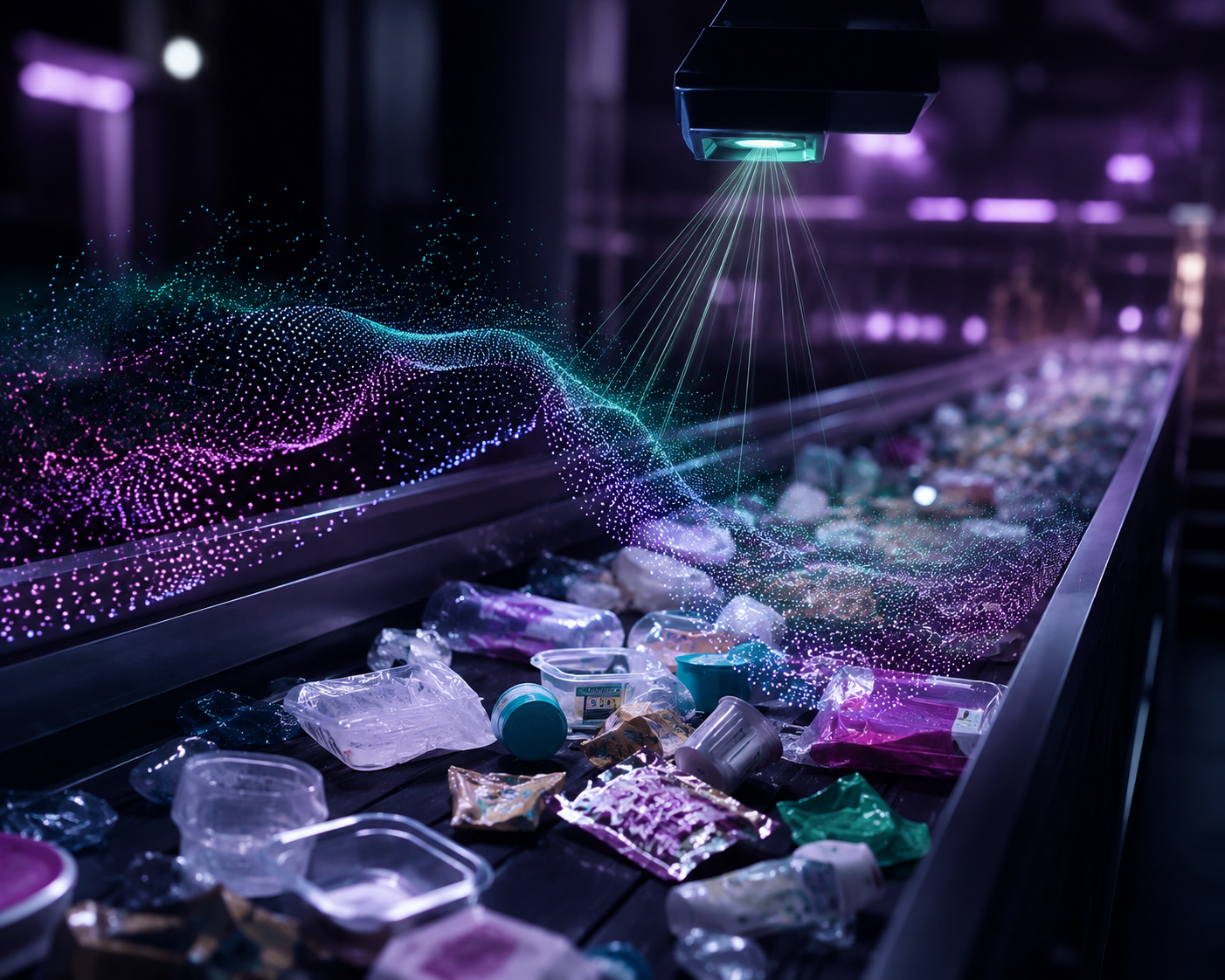
This is kind of different for me - new rabbit hole! Caught my eye on LinkedIn using AI machinery at the recycling center.
When we design packaging, we spend months thinking about materials, graphics, manufacturing, shipping, retail shelves, and the customer experience. I teach and, some might say, preach about all of that all the time!
Then the package is produced, sold and opened. For most brands, that's where the story ends.
But what if you could actually see what happened next?
Did your package make it through the recycling system? Was it identified correctly?
Did it end up with the right material stream? Or did it become contamination that couldn't be recovered?
This is where a new category of technology is emerging: Packaging Waste Intelligence. So my interest started with the category and then I finally went a bit deeper. Hoping to give you some education and things to think about when producing your packaging here.
Seeing the Recycling Process
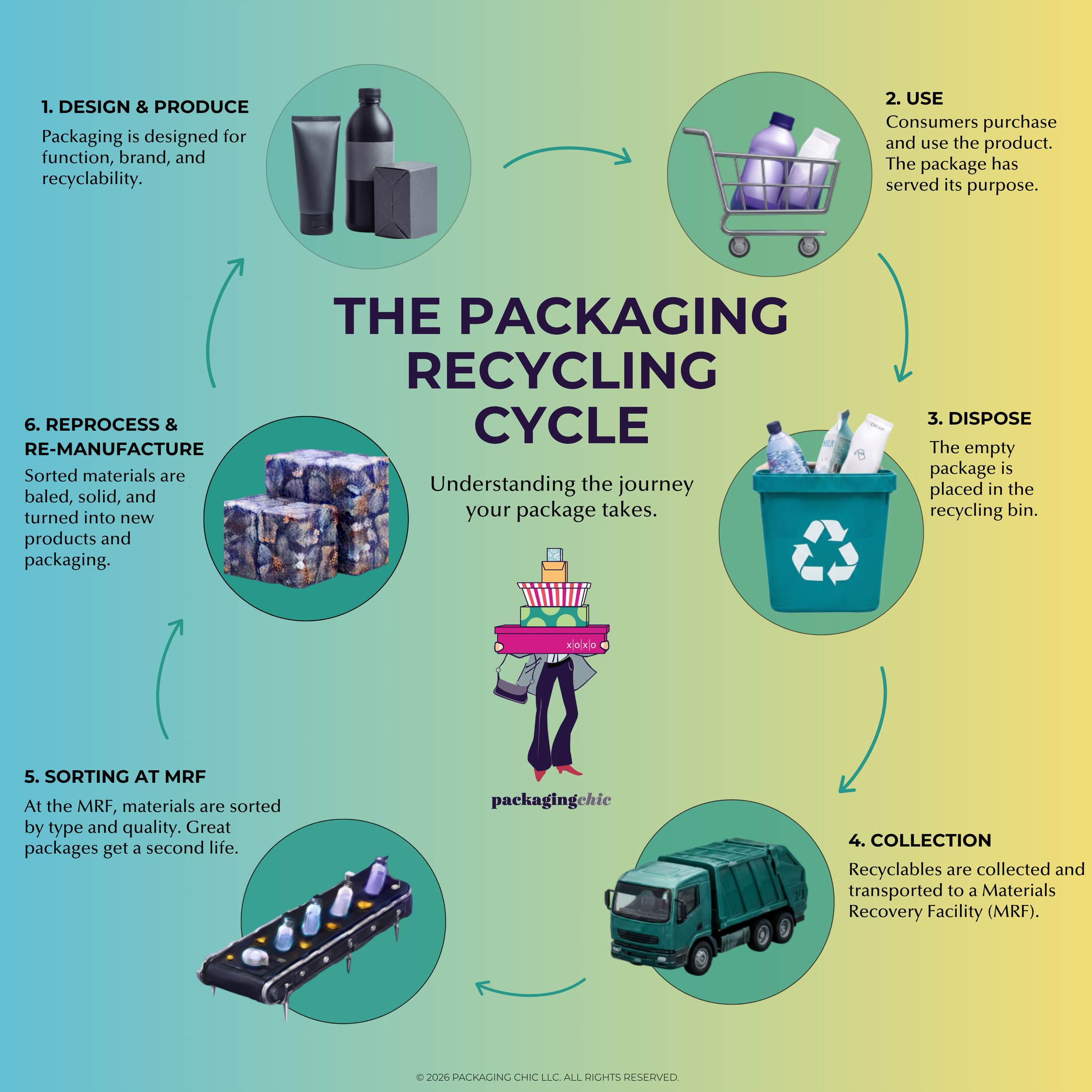
One company leading this effort is Greyparrot. Yes, this is kind of a deep dive on their work only because it was the first time I really heard of Packaging Waste Intelligence. Not a paid article! Just a fan!
Instead of relying on manual sampling or assumptions, Greyparrot installs AI-powered camera systems above conveyor belts inside Materials Recovery Facilities (MRFs). As packaging moves through the sorting process, the system identifies materials, products, and even brands in real time, creating a detailed picture of what is actually flowing through the facility.
The result is something the recycling industry has rarely had before:
Real-world data.
One Platform, Different Users
What I found interesting is that Greyparrot isn't building software for just one audience. They're serving several groups that all care about the same package for different reasons.
1. Materials Recovery Facilities (MRFs)
For recycling facilities, the platform helps operators understand exactly what is arriving on their sorting lines.
Instead of periodic manual sampling, facilities receive continuous data showing:
Material composition
Contamination levels
Recovery performance
Changes throughout the day
Opportunities to improve sorting efficiency
This allows operators to react faster, improve material recovery, and make better operational decisions.
2. Packaging Brands
Brands have a completely different question:
Is our packaging actually recyclable in the real world?
Laboratory testing is valuable, but it doesn't always reflect what happens inside a busy recycling facility.
Greyparrot's Deepnest platform gives packaging teams visibility into how their products move through actual recovery systems. Brands can compare packaging performance, identify design features that reduce recovery, and make better packaging decisions based on field data rather than assumptions.
As packaging regulations continue to grow, this type of information could become increasingly valuable.
3. Equipment and System Integrators
Another product, Sync, connects the AI data with existing equipment and software inside the recycling facility.
Instead of creating another isolated dashboard, the information can feed existing automation systems, reporting tools, and business intelligence platforms.
Three Core Products Offered and Who They Serve
Greyparrot's platform is built around three products that work together for three audiences.
Analyzer
The camera and AI system installed above conveyor belts that identifies packaging and materials moving through the facility.

Sync
The integration platform that shares Analyzer data with existing equipment and software.

Deepnest
The platform for brands and packaging producers that shows how their packaging performs after consumers throw it away.

Why All of This Matters to Packaging
Packaging professionals spend a tremendous amount of time designing packages that can be recycled.
The next step is understanding whether they actually are recycled.
Those are not always the same thing!
If a package can't be recognized by sorting equipment, if multiple materials can't be separated, or if certain design choices reduce recovery, then the package may never complete the circular journey it was designed for.
That's why I think the phrase Packaging Waste Intelligence is so interesting.
It shifts the conversation from "Can this package be recycled?" to "What actually happened after someone put it in the recycling bin?"
Those are two very different questions.
As AI continues to move into manufacturing and packaging, this may become one of its most practical applications—not replacing people, but giving them better information to make smarter decisions.
