
🌴What We All Learned From the First Summer Packaging Challenge™
For years, I’ve been part of the conversations that happen behind the scenes between designers, printers, manufacturers and brand teams. I’ve seen great ideas become great packaging, and I’ve also seen what happens when a seemingly small design decision creates a production problem. Designers have told me that they’ve always “wanted to do packaging but never got the chance”.
This summer, I decided to turn some of those conversations into a hands-on learning experience.
That became the first Summer Packaging Challenge™.
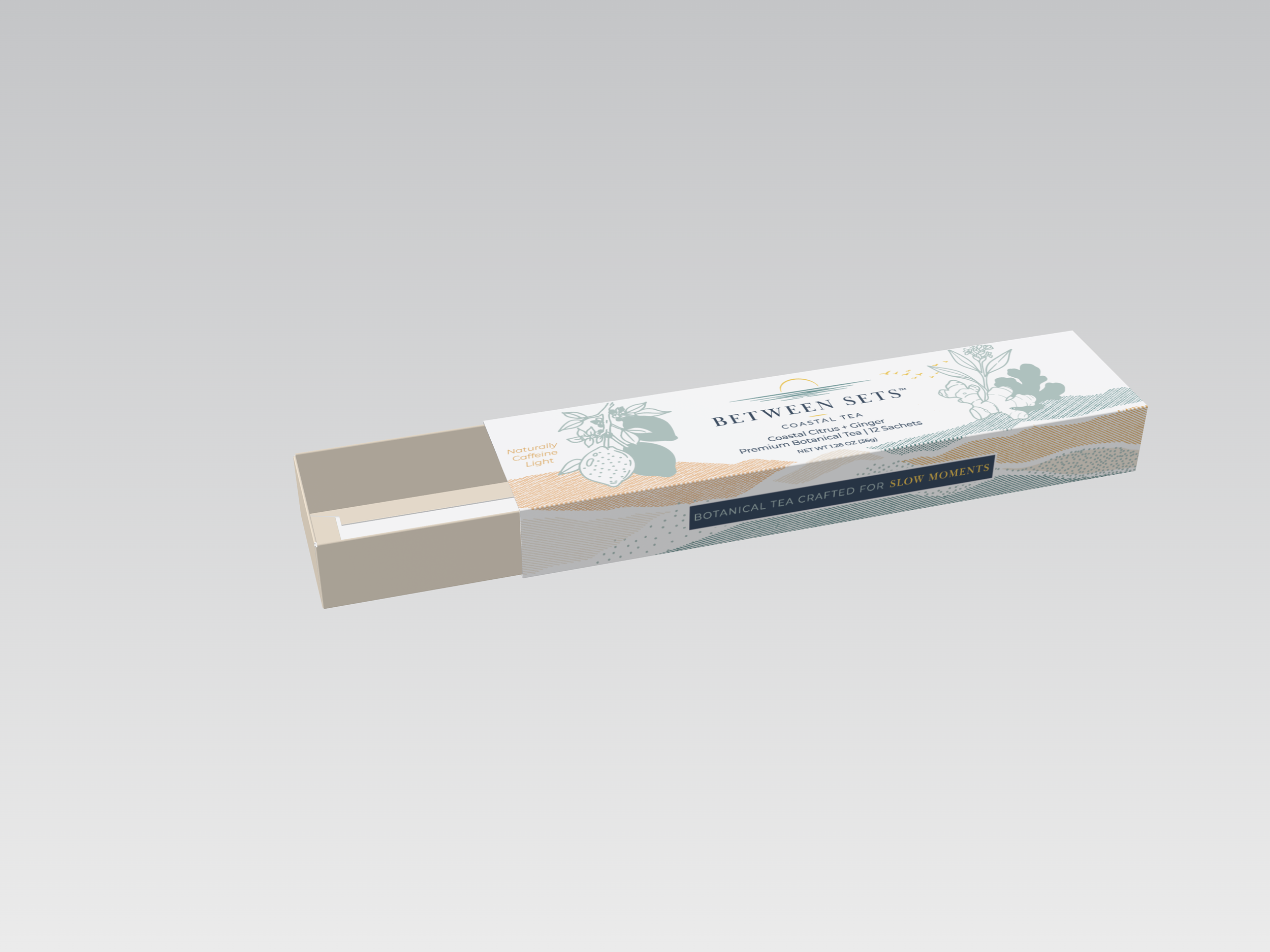
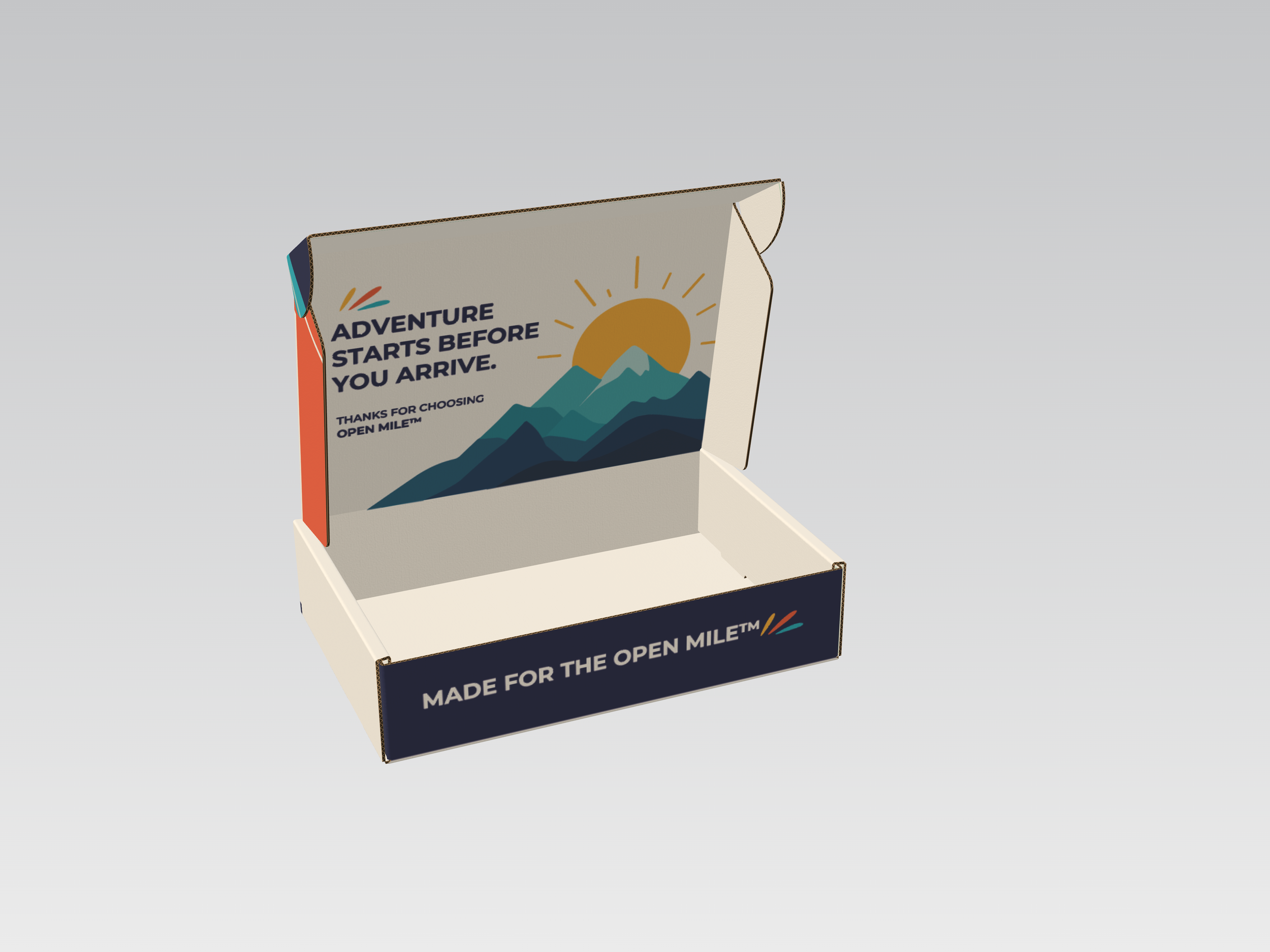
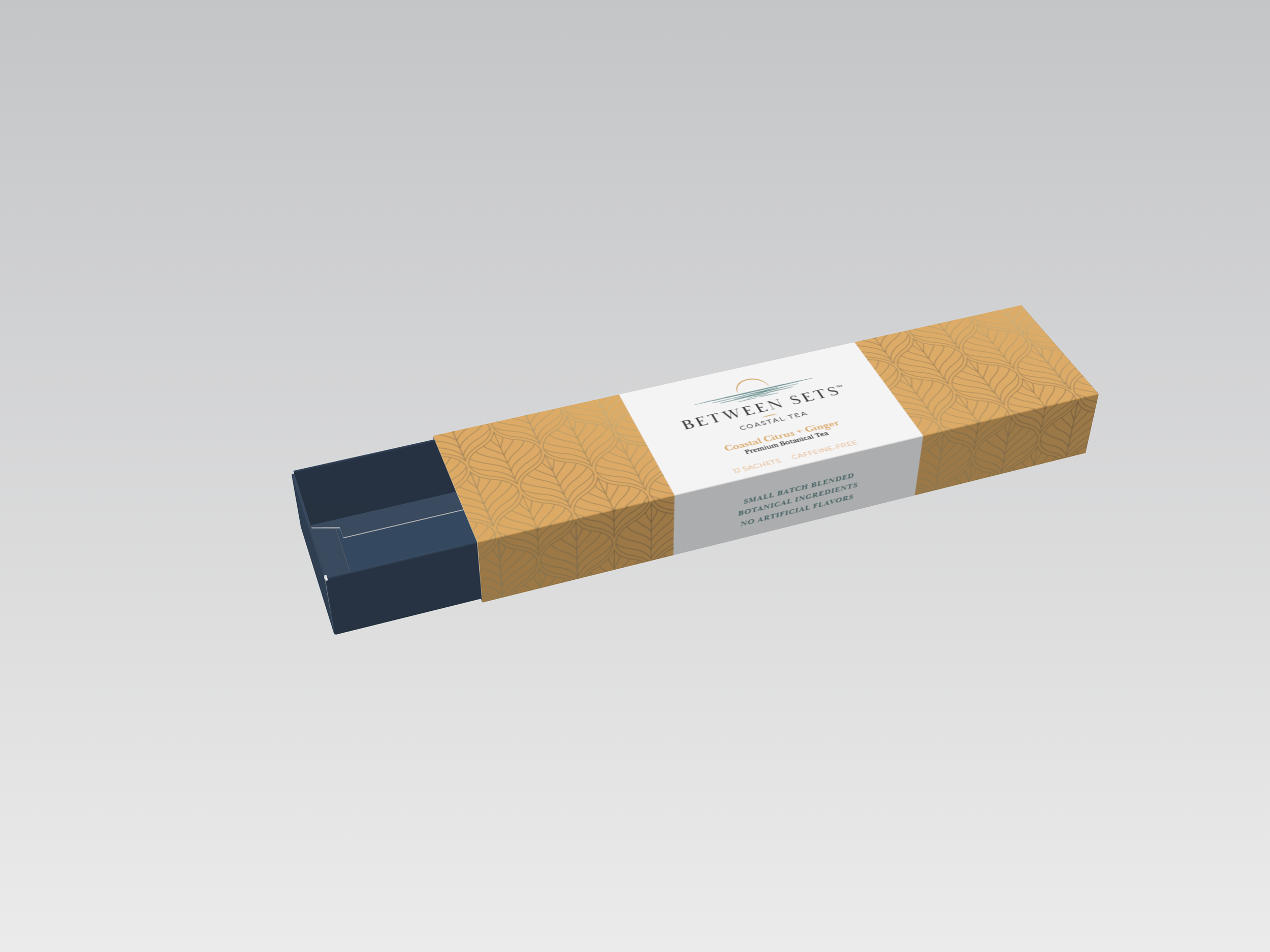
The Challenge ran for two weeks in July, followed by our final Showcase. Participants chose from five fictional brands and five different packaging formats, worked with actual dielines and brand briefs, used a big Resource Pack I created for the Challenge, joined live sessions, built physical mockups and received feedback from a professional Review Panel. So fun!
From the beginning, I didn’t want it to feel like a competition. At the Showcase, I told everyone that the “challenge” was really about challenging themselves. It was a chance to work through packaging decisions, ask questions and get professional feedback without the usual risk of a boss, client, printer or regulatory team sending the work back.
That part worked exactly as I had hoped.
Everyone Came to Packaging From a Different Place
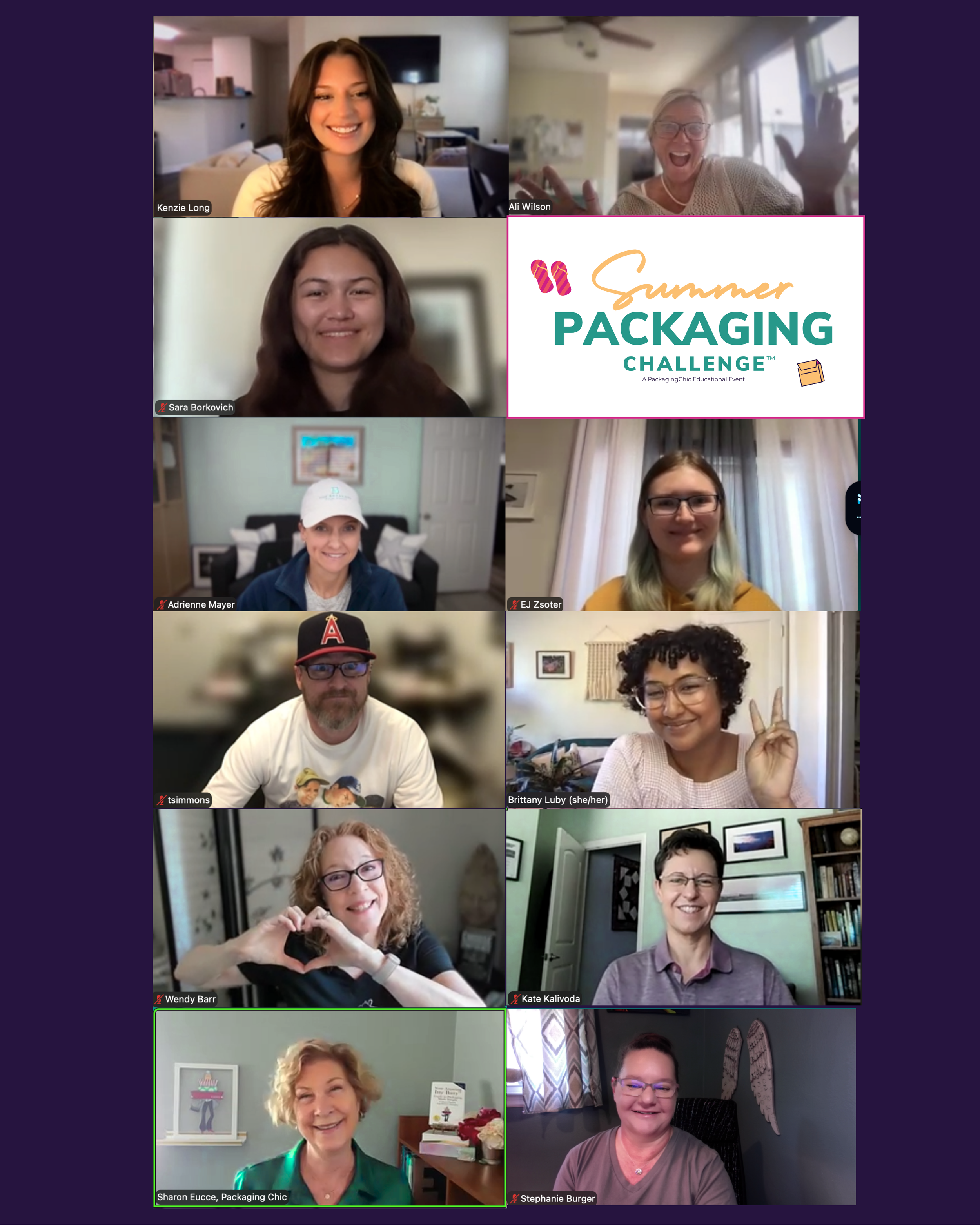
The group had a mix of backgrounds and experience. Some had worked in graphic design or print for years but had done very little packaging. Others were newer designers or students interested in seeing what packaging design was really like.
That mix became one of the best parts of the Challenge.
Someone who already understood website design might know almost nothing about a rigid box. Someone comfortable in Illustrator might look at a dieline and wonder what some oddly shaped flap was supposed to become. Another person might understand print production but have never thought much about barcodes or regulatory information.
The questions showed me exactly where the learning was happening.
And there were plenty of questions!
Art Files Look Different When They Get Into Production
One of the clearest lessons was also one of the simplest:
Packaging isn't just artwork on a screen. It has to be printed, cut, folded, glued, filled, shipped and eventually opened by somebody.
That sounds obvious. It feels much less obvious when you are staring at a flat dieline in Illustrator trying to figure out which direction the type should face.
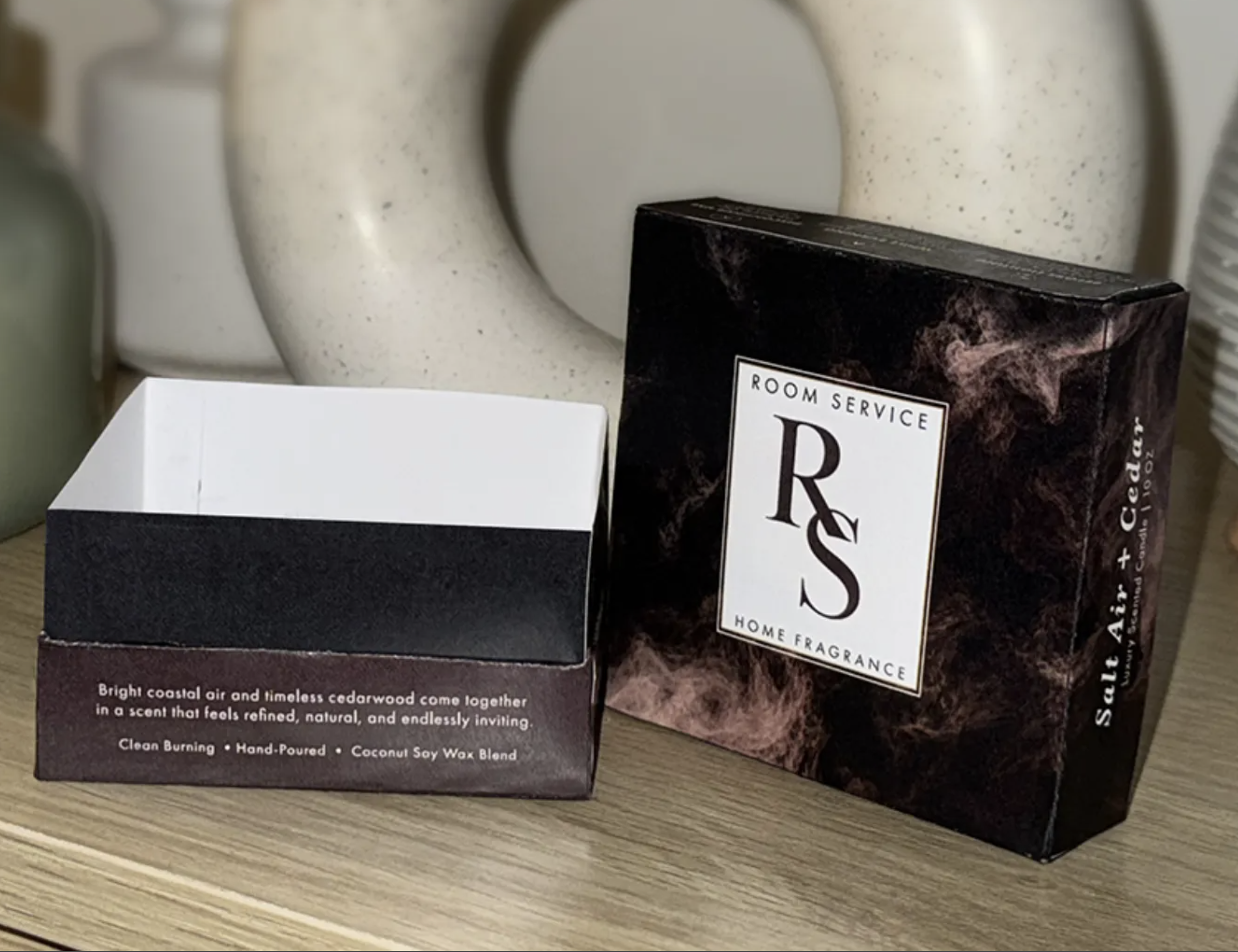
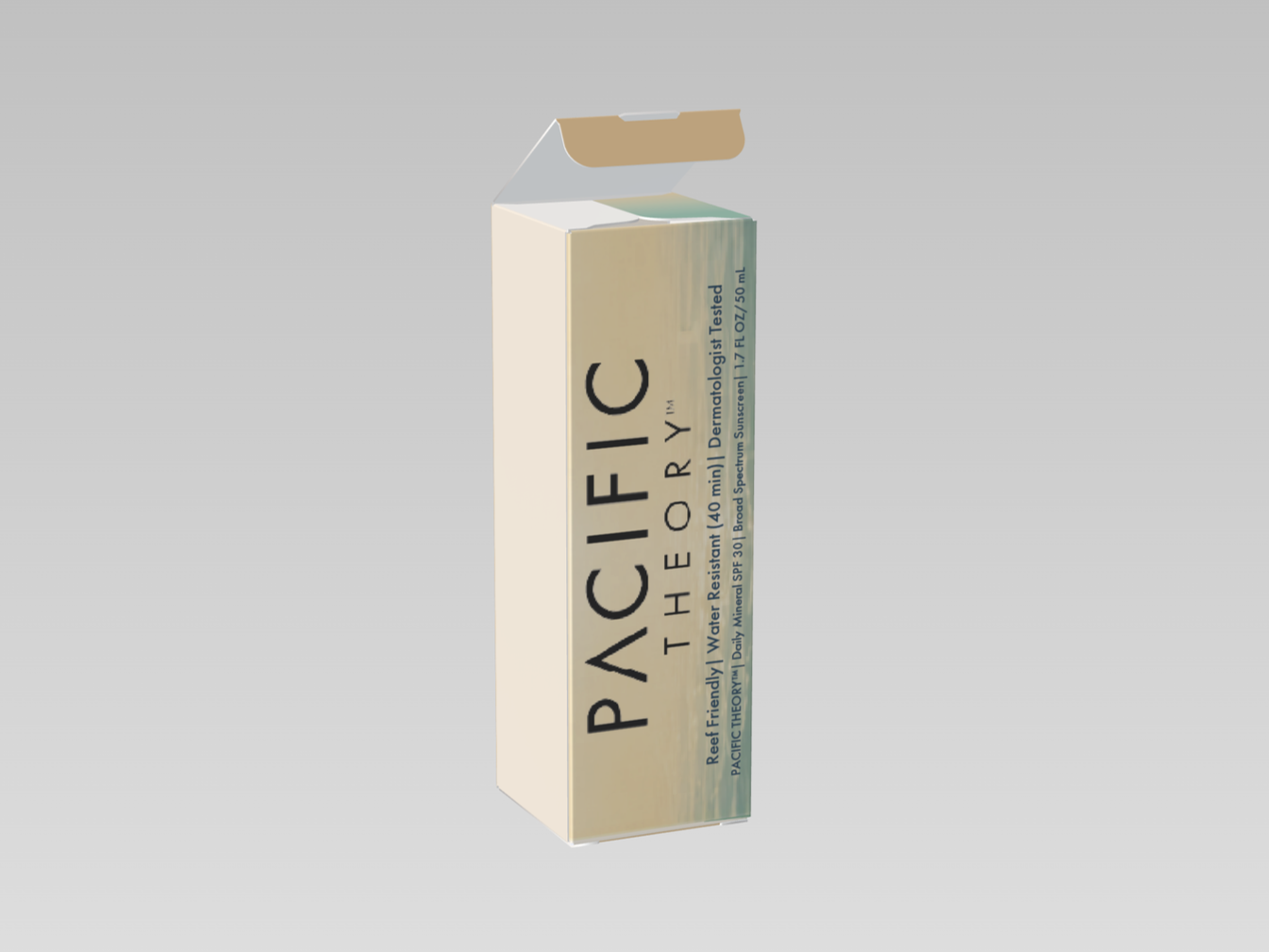
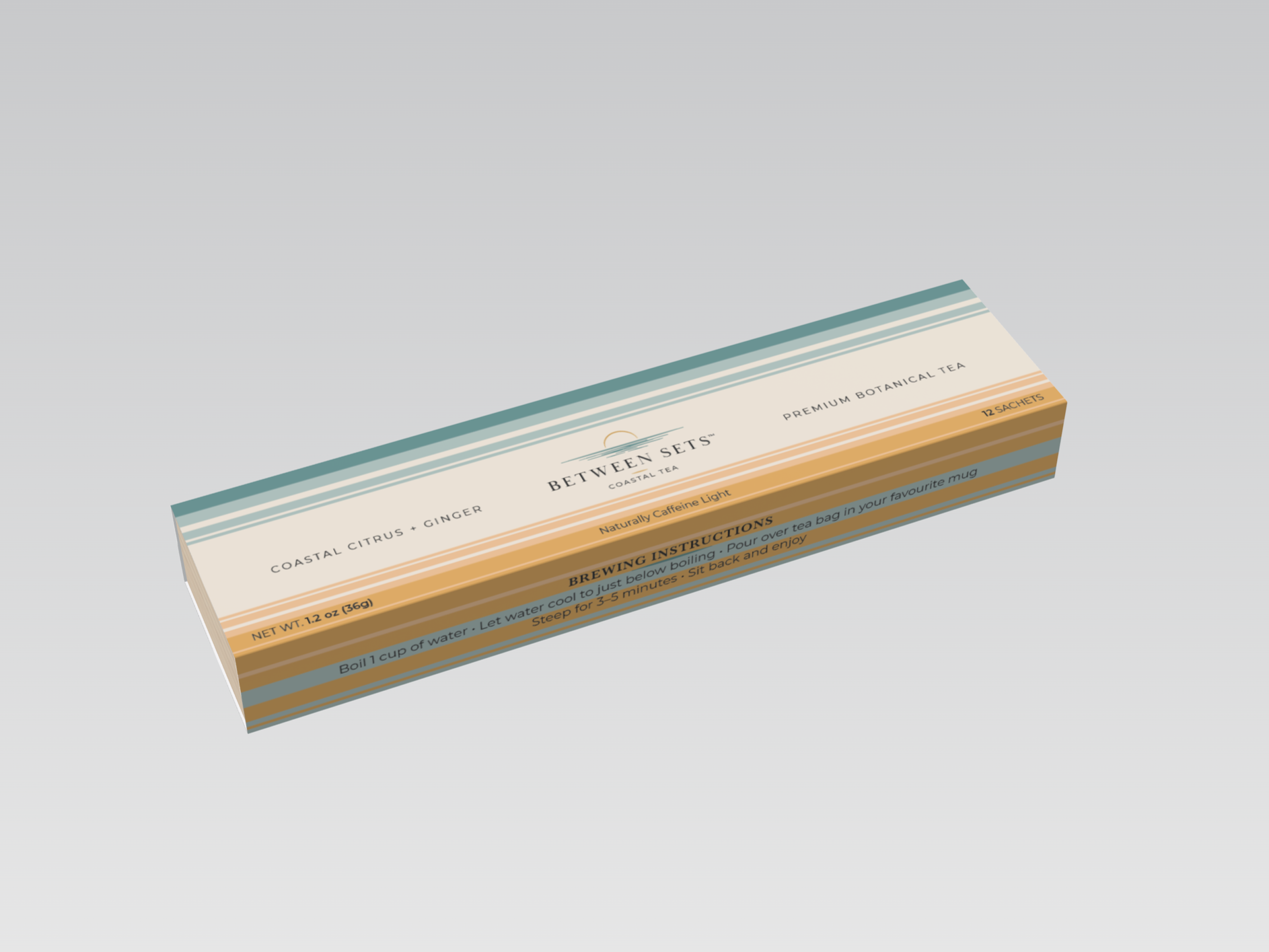
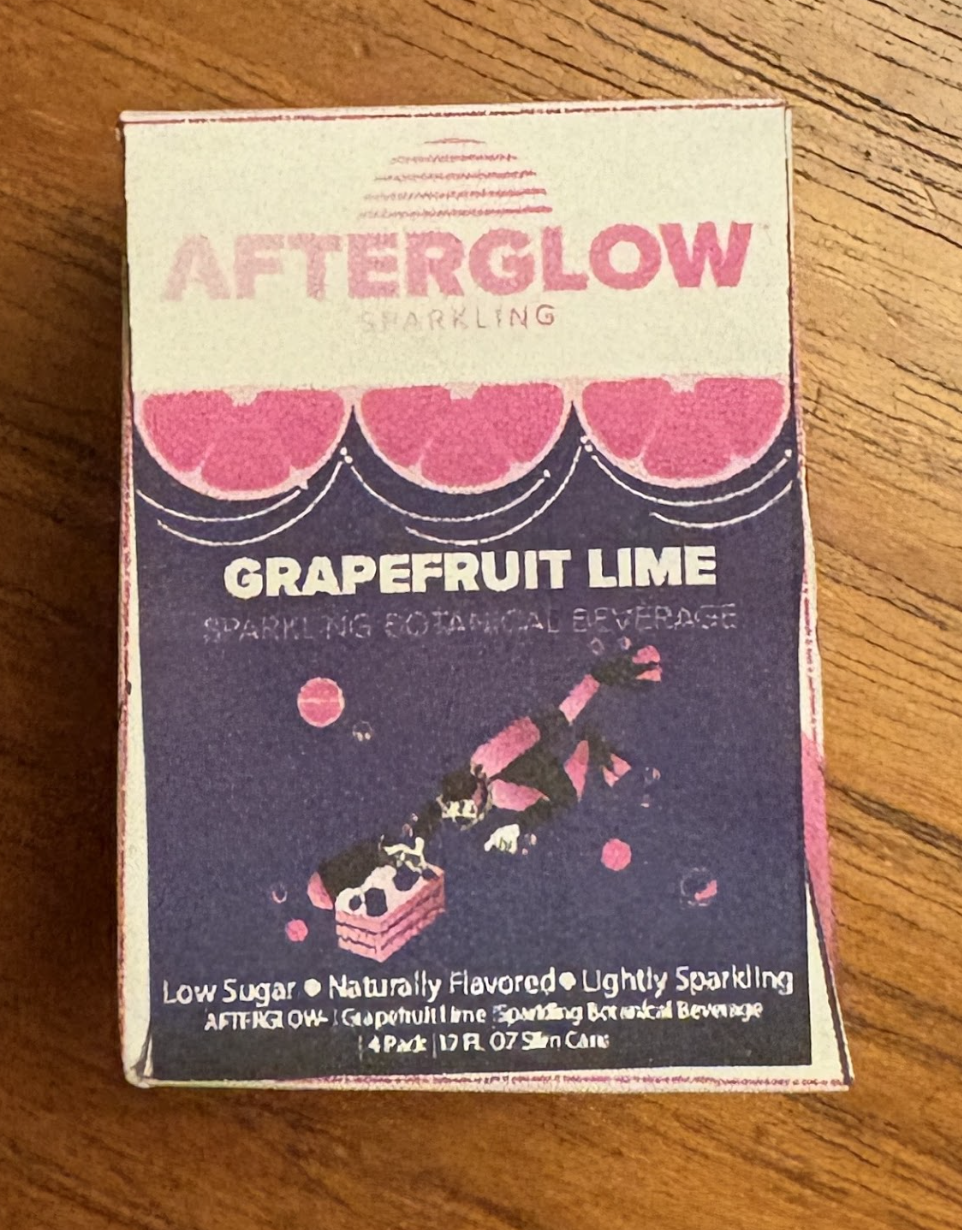
The physical mockups made a big difference. Everyone who submitted a project had to print the artwork, cut it out and assemble the package.
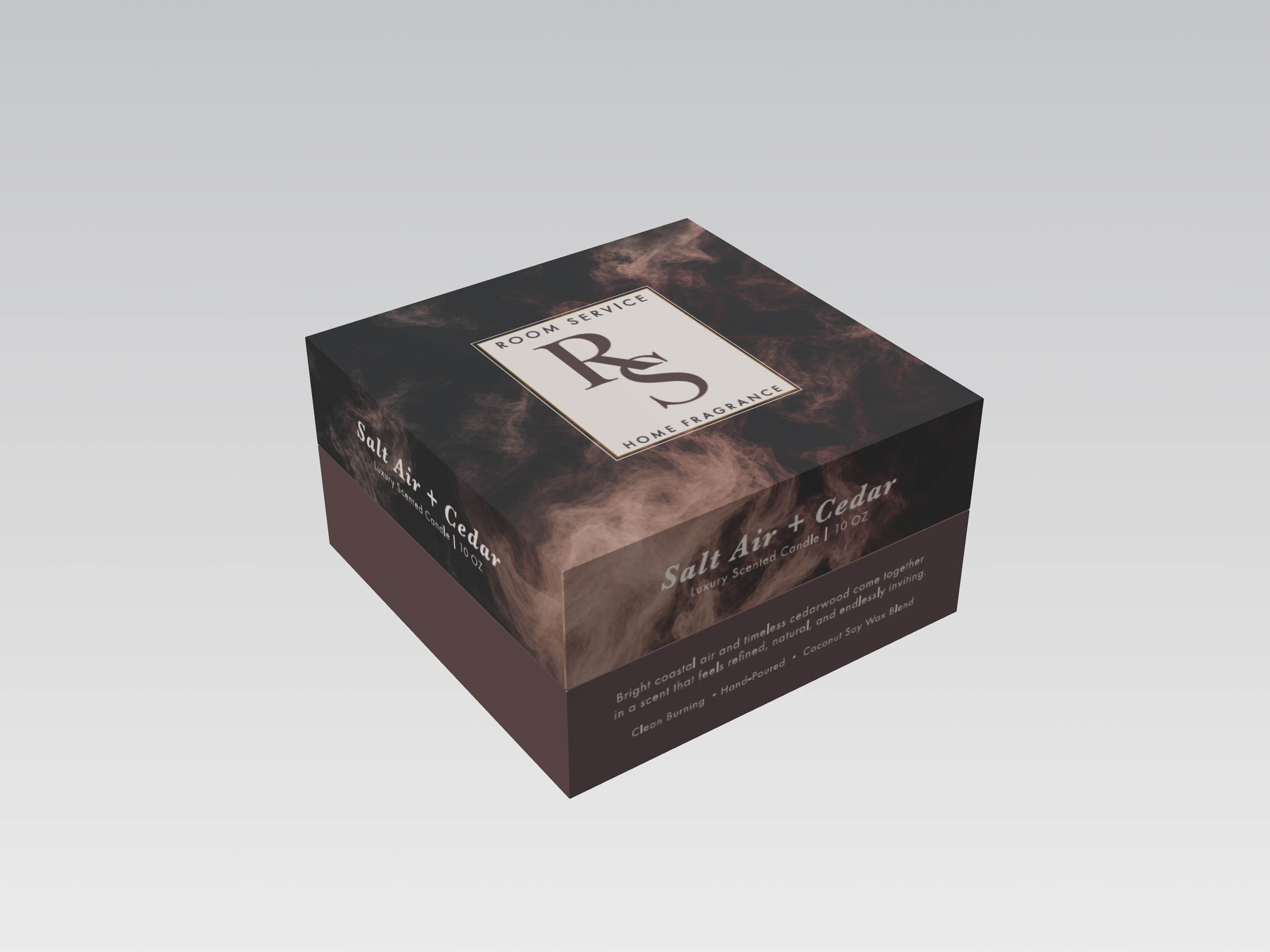
During the Showcase, one Participant who worked on the rigid box talked about how useful it was to actually put the structure together. Suddenly she could see where the pieces went and why some of the type had to be rotated.
Another Participant later said that one of the things that surprised her was learning how the folds of the package affected the overall design.
That was exactly the kind of connection I wanted people to make.
The five projects also made it clear that “packaging design” isn't one thing. A folding carton asks different questions than a can carrier. A rigid box introduces a completely different set of decisions. Same general field. Very different puzzles.
The File Has to Work Too
There was another idea that came up again and again during the live sessions:
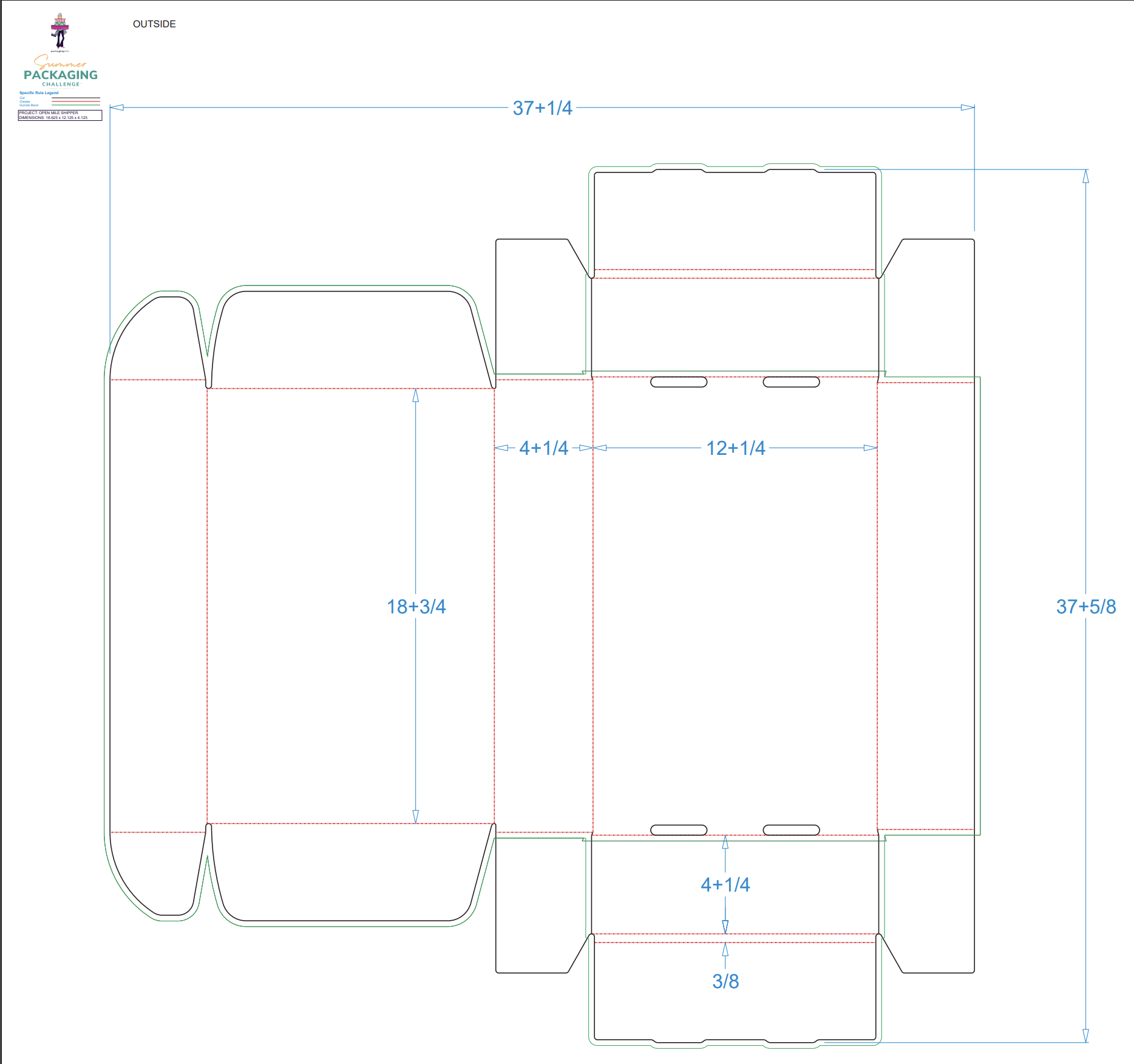
A packaging designer's job does not end when the artwork looks good. The file has to work in production.
We talked about dielines, bleed, layers, color, specialty papers, foil, embossing, barcodes and required information. Even “file hygiene” 😆Not because I expected everyone to become a production expert in two weeks, but because those things are part of what happens after the design leaves the designer’s computer.
Todd Simmons, one of our Review Panel members and a prepress professional, put it very simply during one of our calls: the more the designer understands and the cleaner the file is, the faster the job can move through production.
That was an important aspect of the Challenge I built in.
We weren’t only talking about whether something looked good. We were also looking at whether the file made sense to the next person who had to work with it.
Brittany Luby on the Review Panel said the Challenge reminded her just how big her own packaging design job really is. It takes creative vision, but it’s also technical and involves teams of people working together to get one file ready to go.
That is packaging!
The Briefs Did More Work Than I Expected
An interesting takeaway came from Wendy Barr, who was part of the Review Panel.
She said: “When the brief is specific, the work gets specific.”
What she noticed was that the constraints didn’t stop people from being creative. They gave the designers something real to solve.
I thought that was an important observation.
The Participants were not starting with “design any package you want.” They were given a brand, a target audience, a packaging structure, required information and a dieline.
And yet the work looked different from one person to the next.
At the Showcase, we were able to put projects side by side that started with the same brief and see those different interpretations. One Participant later said that was the part of the final session that stood out most to her.
Brittany said she was “delightfully surprised by the level of thoughtfulness and creativity” in the projects.
I was too. So grateful people came out and did the work!
The Questions Became Part of the Challenge
Some of my favorite moments were things I had planned to teach and then someone asked the question to lead me right into the plan.
Can I change the dieline?
How does this piece fold?
Do I need nutrition information here?
What is a turn-in?
What does “reveal” mean?
How do I tell the printer I want a specific paper?
At one point, a Participant asked me to create a packaging glossary because sometimes we would be talking and she would be thinking, essentially, What does that mean? Fair point. There are times when I catch myself and say, “Uh oh, did I go into my own world of packaging just then?!”
When you’ve worked in an industry for a long time, you forget how much vocabulary you have collected along the way. Bleed, score, glue flap, shoulder, turn-in, rollover, FPO, it starts to sound perfectly normal.
Apparently, it is not perfectly normal to all! 😉
So one thing that came directly out of the Summer Packaging Challenge is the PackagingChic glossary we are now building.
The Review Panel Was Learning Along the Way
I expected the Participants to learn from the Reviewers. What I hadn’t thought as much about was how much the Reviewers might learn from one another.
Wendy said that was one of the surprises for her. The Reviewers came from different parts of the industry, so they did not always look at an entry the same way. Hearing someone else evaluate a project through a different lens sometimes changed how she looked at work she thought she had already assessed. She also said the conversations about the judging criteria and the review process were some of the most valuable hours of the experience for her.
I loved that.
The point was not to have a group of experts pronounce whether something was “good” or “bad.” The value came from having people with different experience look at the same work and explain what they noticed.
The feedback was organized around what worked well, what could be strengthened and what else the designer might consider. During the Showcase, we went through those comments project by project.
That made the Showcase feel much more like a conversation than an awards ceremony—which was exactly what I wanted.
I Learned Quite a Bit Too
This was the first Summer Packaging Challenge, so I was learning right along with everyone else. Some things I definitely want to keep: the live conversations, the Resource Pack, the physical mockups, the professional reviews and the final Showcase.
There are things I can improve too.
One Participant suggested making the Challenge materials easier to navigate. Wendy would have liked the Reviewers to have more involvement while the projects were still being developed, rather than mainly at the end. Another suggestion was creating a way for Participants to submit questions between live sessions. Those are great ideas, and they give me a good starting point for the next version.
But I also don’t want to overbuild it.
Part of what worked was that it was approachable. Participants could try something new, ask questions, make mistakes, get feedback and move on knowing more than they did when they started.
And Yes, There Will Be Another One
At the end of the feedback form, I asked whether people would be interested in another Packaging Challenge, specifically a Holiday Packaging Challenge™.
Respondents said Definitely. Another said Probably. Wendy added, “Count me in for the next one.” That was pretty clear. So the Summer Packaging Challenge was not a one-and-done experiment.
And there you have it, the next step is the Holiday Packaging Challenge™.
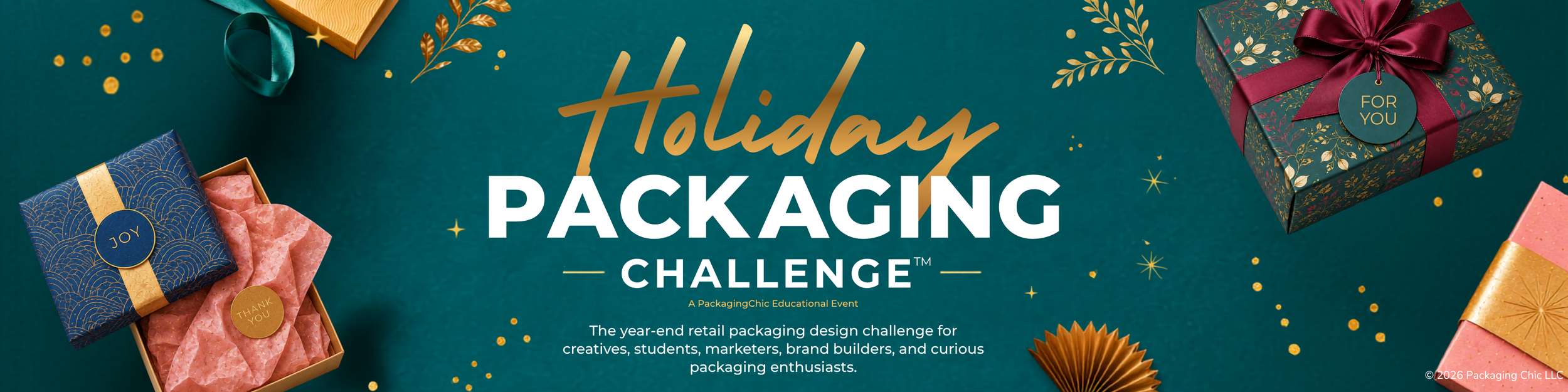
I’ll take what worked this summer, make a few changes based on what the Participants and Reviewers told me, and give everyone a new set of packaging problems to solve.
The first Challenge started with five fictional brands, five packaging structures and a lot of dielines. It ended with designers and Reviewers talking about packaging, production, paper, structure, brand, files, folds—and yes, even tissue boxes.
For a first Challenge, I’d call that a very good start.
