
From the Desk of PackagingChic | September 2026
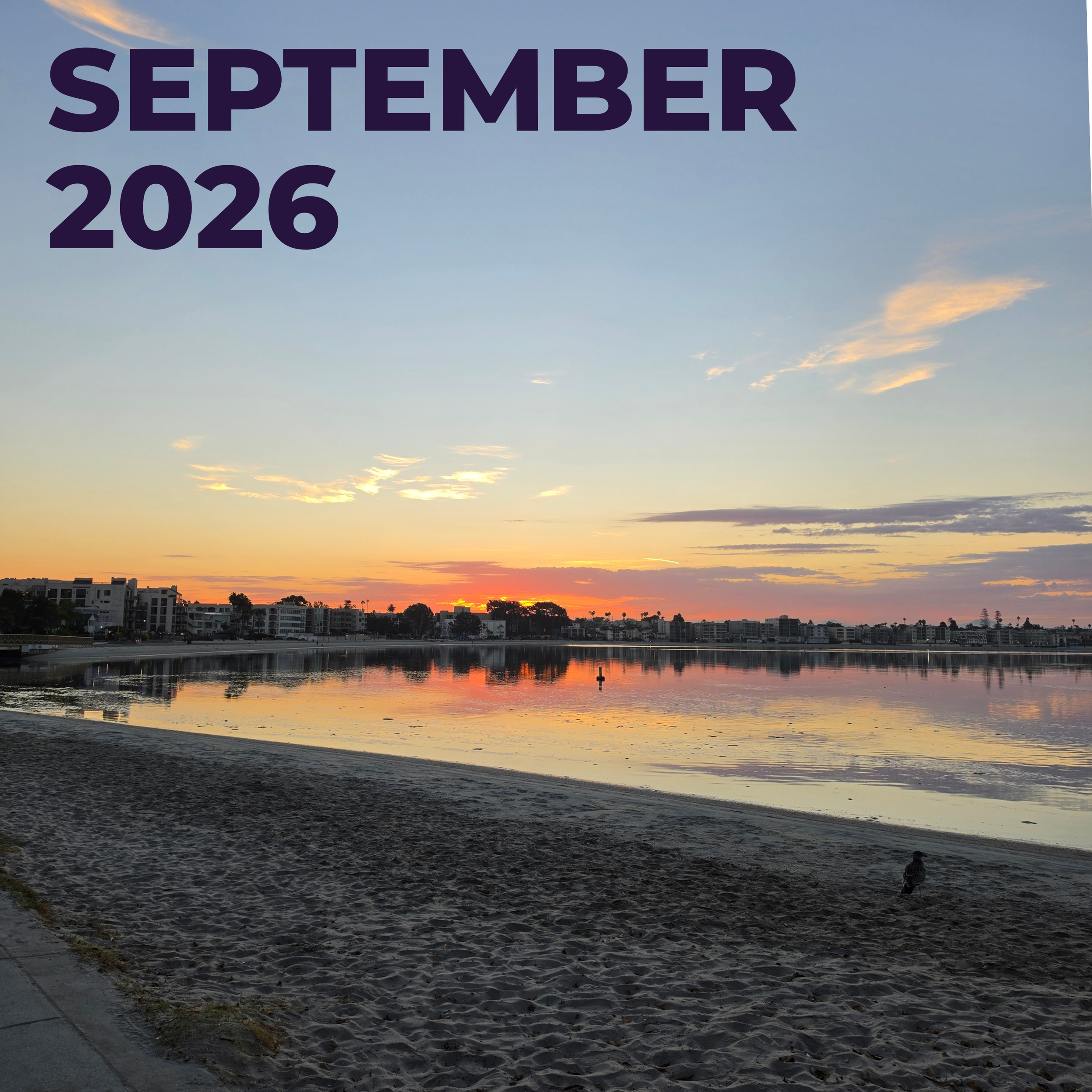
This month’s photo is a sunrise in September. What you don’t see is how humid and hot it was.
But it’s San Diego, so I’m not really gonna dwell on that! I do dwell on how lucky and grateful I am, though.
September has turned into a month of getting out from behind my desk. 😆And apparently, that was a very good idea.
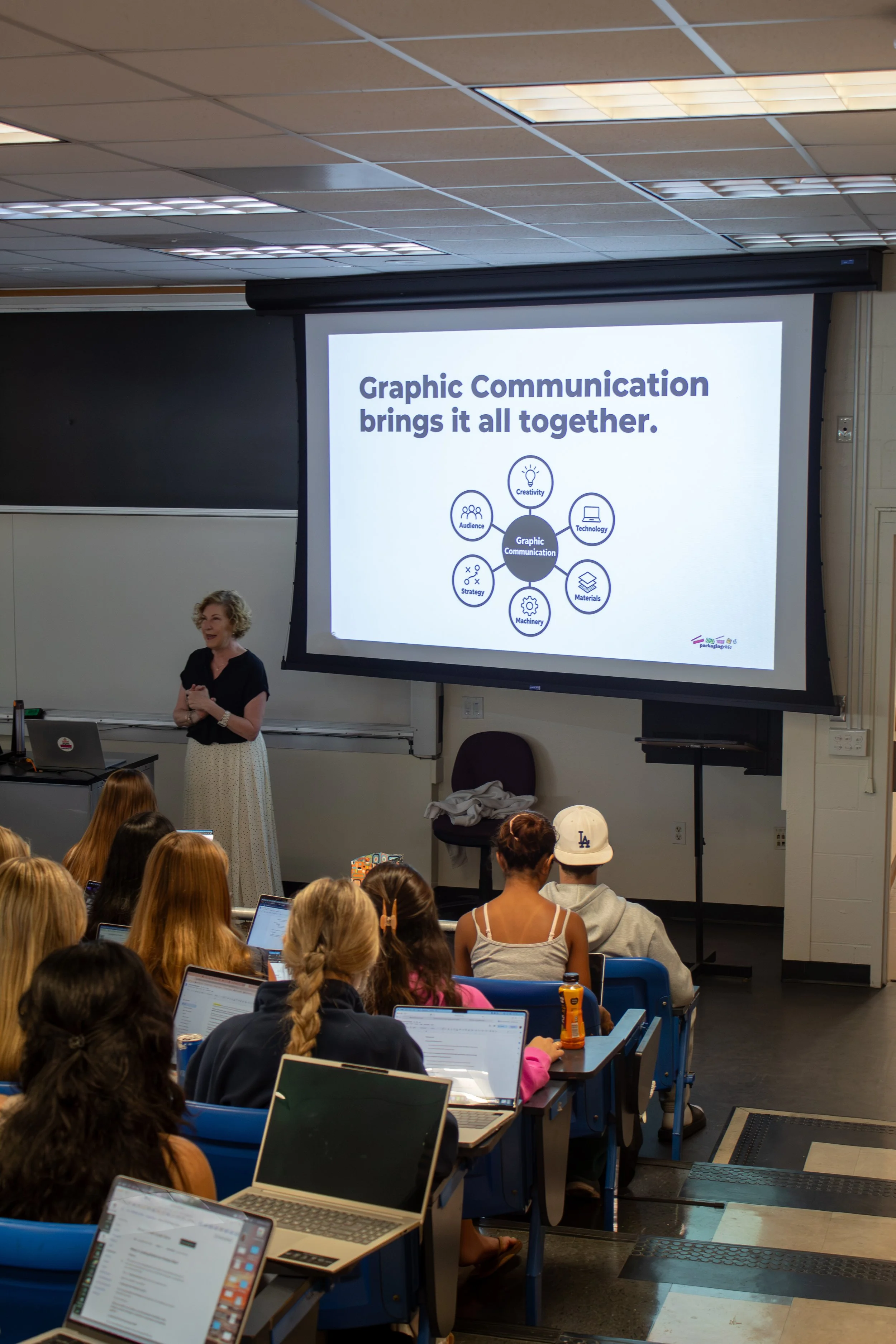
I started the month at Cal Poly speaking to more than 100 students in the Graphic Communication program. Many of them are just beginning to figure out what this field even is, much less where it might take them. I’m so excited for their future. Guest lecturing here is one of those full circle moments people always talk about. Super ironic for me since I received the grade of D when I took the course my freshman year. Guess it didn’t stop me.
Part of my mission with PackagingChic has become helping others understand packaging and print better, whether that means a student discovering the industry or a brand trying to make a smarter decision.
I told the students something I’ve come to appreciate more and more:
Graphic Communication is where creative ideas have to become real things that people can see, touch, use, understand or respond to.
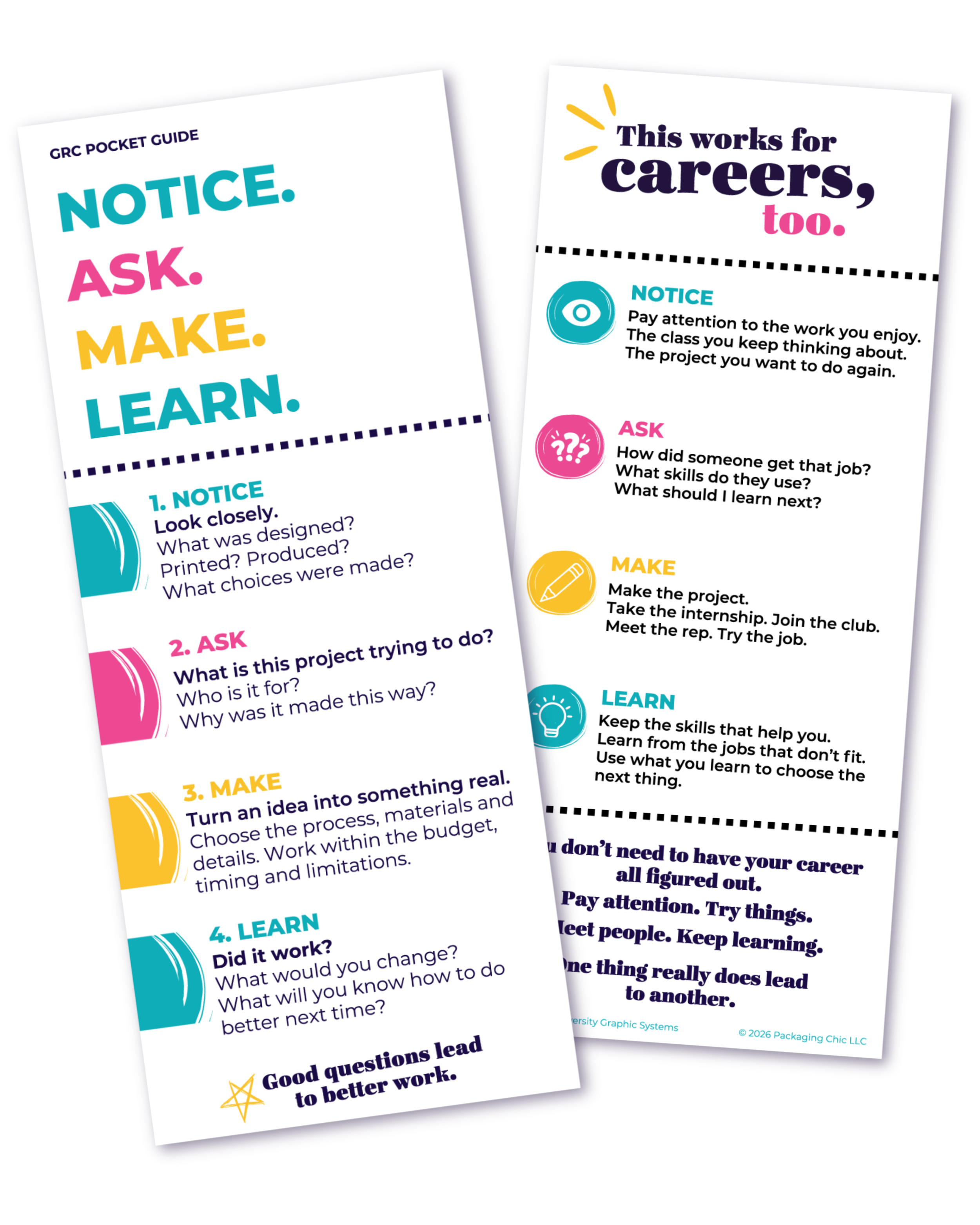
I wanted to leave them with a physical printed piece, too. Because they are starting their journey in communicating and, well, I love print. University Graphic Systems, the student-run printing and production operation at Cal Poly, produced something I designed especially for the class: the GrC Pocket Guide bookmarks. It has some tips for how to approach this whole new world of print projects as well as searching for a career.
A package can look beautiful on a screen. Eventually, though, somebody has to print it, cut it, fold it, glue it, fill it, ship it and open it. And knowing that whole process is what these students have signed up for!
I’ll see the Cal Poly students (and tons of industry people) this month at Printing United Expo in Las Vegas. Stand by for the recap of that event where I’m on a panel talking about careers in graphic communication, recording a podcast episode, signing the newly released textbook, Introduction to Graphic Communication, at The Foundation for Graphic Communication Education (FGCE) booth and then hopefully catching my breath!
It’s Vegas, after all.
Then I actually went where the brands are.
This month I also attended a BevNET/Naturally San Diego event here in San Diego.
My goal was pretty simple: get out, meet people and listen.
I’ve been thinking a lot lately about where brands really need help with packaging—not just producing it, but making all the decisions that surround it. So instead of walking into the event with a polished pitch, I paid attention to what people asked when I told them what I do.
That was much more interesting. Packaging questions came up quickly:
Where do I find the right supplier?
How do I know if I’m paying too much?
We’re growing. Is our current packaging still the right answer?
Who can help us figure this out?
That last question is especially important. Sometimes a company doesn’t need another packaging vendor. They need someone who can look at the whole picture.
The product. The structure. The quantity. The supplier. The cost. The way it gets packed and shipped. And, of course, the customer opening it at the other end.
That’s a very different conversation from, “How much is this box?”
A small packaging question can uncover a much bigger opportunity.
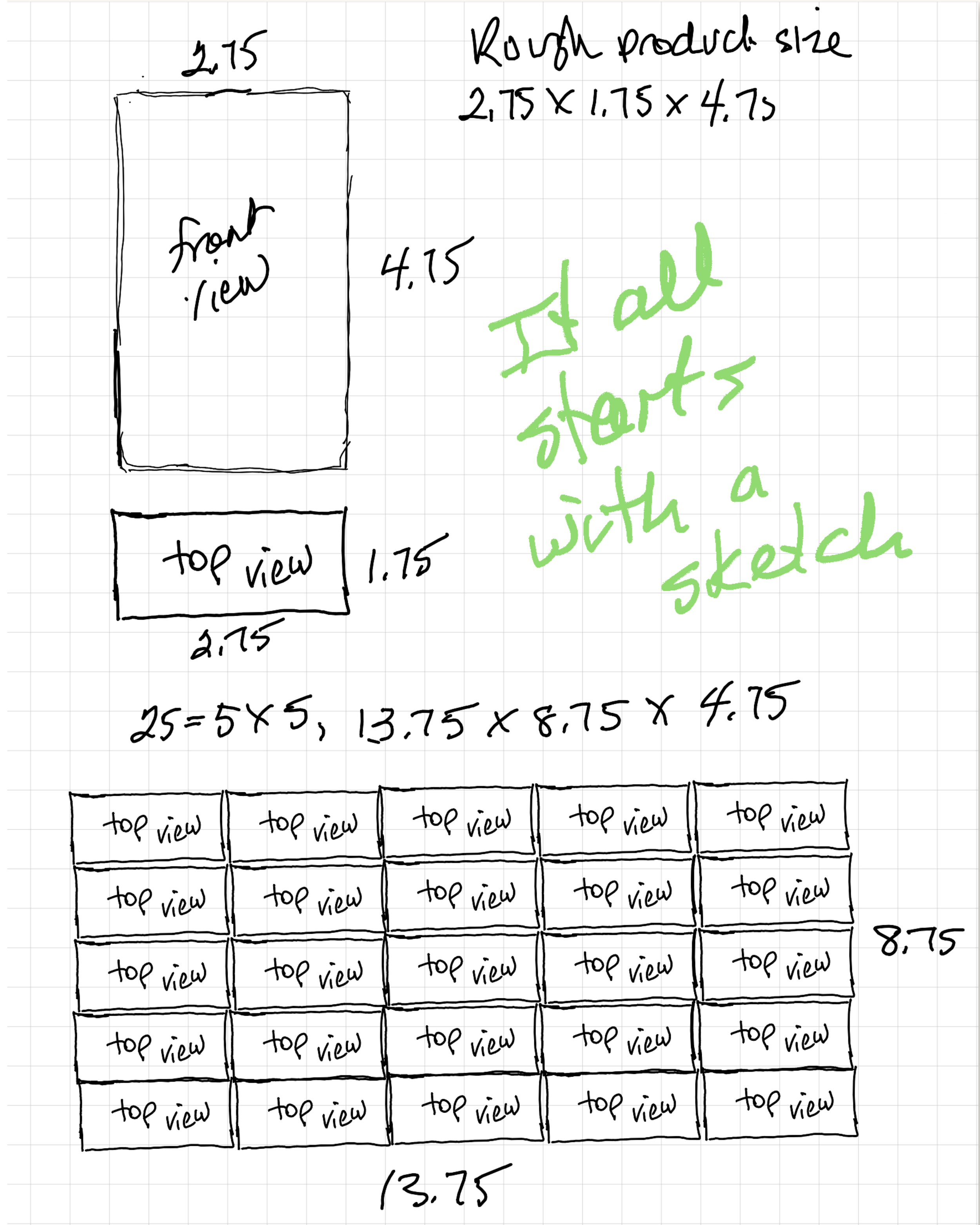
One project sitting on my desk right now is a good example.
A company needed a better way to ship multiples of a small electronic product. They had been searching online, buying larger corrugated boxes and trying to figure out how to pack everything safely.
Finally, the client thought, “I should just call Sharon.” Exactly! Thank you!
We’re now looking at a corrugated box with dividers that will allow the products to drop into place quickly and securely.
Nothing particularly glamorous here. No foil stamping. No embossed logo. No dramatic unboxing video with music swelling in the background.
But it should save them packing time, use the box space better, and we may be able to improve what they’re paying for corrugated at the same time. That counts as good packaging, too.
Sometimes the smartest packaging improvement isn’t the one everybody notices. It’s the one that makes the operation easier every single day.
Packaging decisions rarely live in one little box.
😆 A moment of complaining!
I’ve had several projects moving this month that remind me how interconnected all of this is.
Samples are going out so an architectural portfolio can finally be produced. Structural samples for another project are on their way to me so I can physically review the box and insert. I’m talking with new suppliers and looking at where they might fit into future projects.
And sometimes I’m helping someone figure out what question they should be asking before they start asking for quotes.
Production timing is part of that picture, too. When manufacturing overseas, something as ordinary as a factory holiday calendar can suddenly become a very important packaging detail. A few weeks on a calendar can affect production, freight, inventory and ultimately when a product is ready to sell.
The box itself may not have changed, but the plan certainly has. That’s why timing needs to be part of the packaging conversation much earlier than many companies expect.
The same thinking applies to quoting. A quote tells you the price of what you asked someone to make. The more important question may be whether you’re asking them to make the right thing in the first place. And finding out how long it takes to quote can be challenging. See video for my moment last week.
And meanwhile, the packaging industry keeps moving.
I published Packaging Watch a little earlier than usual this month because there was plenty worth talking about.
Containerboard pricing is moving again. Paperboard choices and lead times are worth watching. And new printing and authentication technology continues to blur the line between what we can see on a package and what the package itself can quietly communicate.
Packaging never really sits still, especially these days. Materials change. Equipment changes. Regulations change. Costs change. Consumer expectations change.
Which is another reason I think getting out and talking with people matters.
You can learn a great deal from reports, webinars and spreadsheets. And I do. But there’s something super fun about standing there with a founder who says, “Here’s what I’m trying to do. How would you package this?”
What I’m taking from September
There’s been a common thread running through this month, from a classroom at Cal Poly to an event with emerging brands in San Diego to the packaging projects sitting on my own desk.
Good packaging usually starts with looking beyond the package itself. It means asking better questions, understanding how all the pieces connect and noticing opportunities that might not be obvious at first.
A structural change can make packing easier. A different supplier can open up new possibilities. Better planning can protect a timeline. And sometimes a simple conversation can lead to an entirely different way of approaching the project.
That combination of creativity, production, problem-solving, teaching and connecting with people is what continues to make this industry so interesting to me.
That’s my world.
Want to join me? Click here
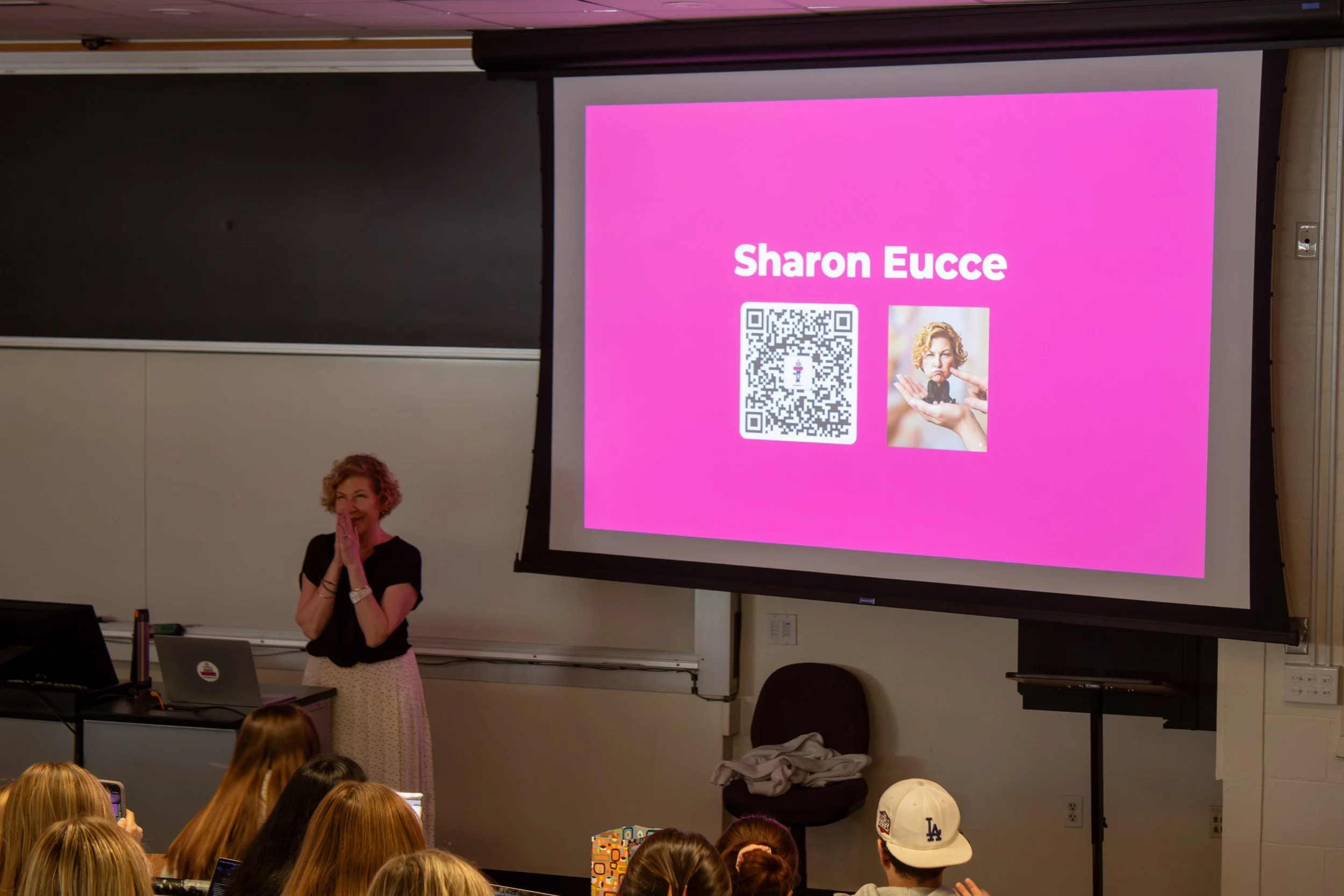
One last photo of how much fun I had in the GrC 1000 class!
