

From the Desk of PackagingChic | May 2026
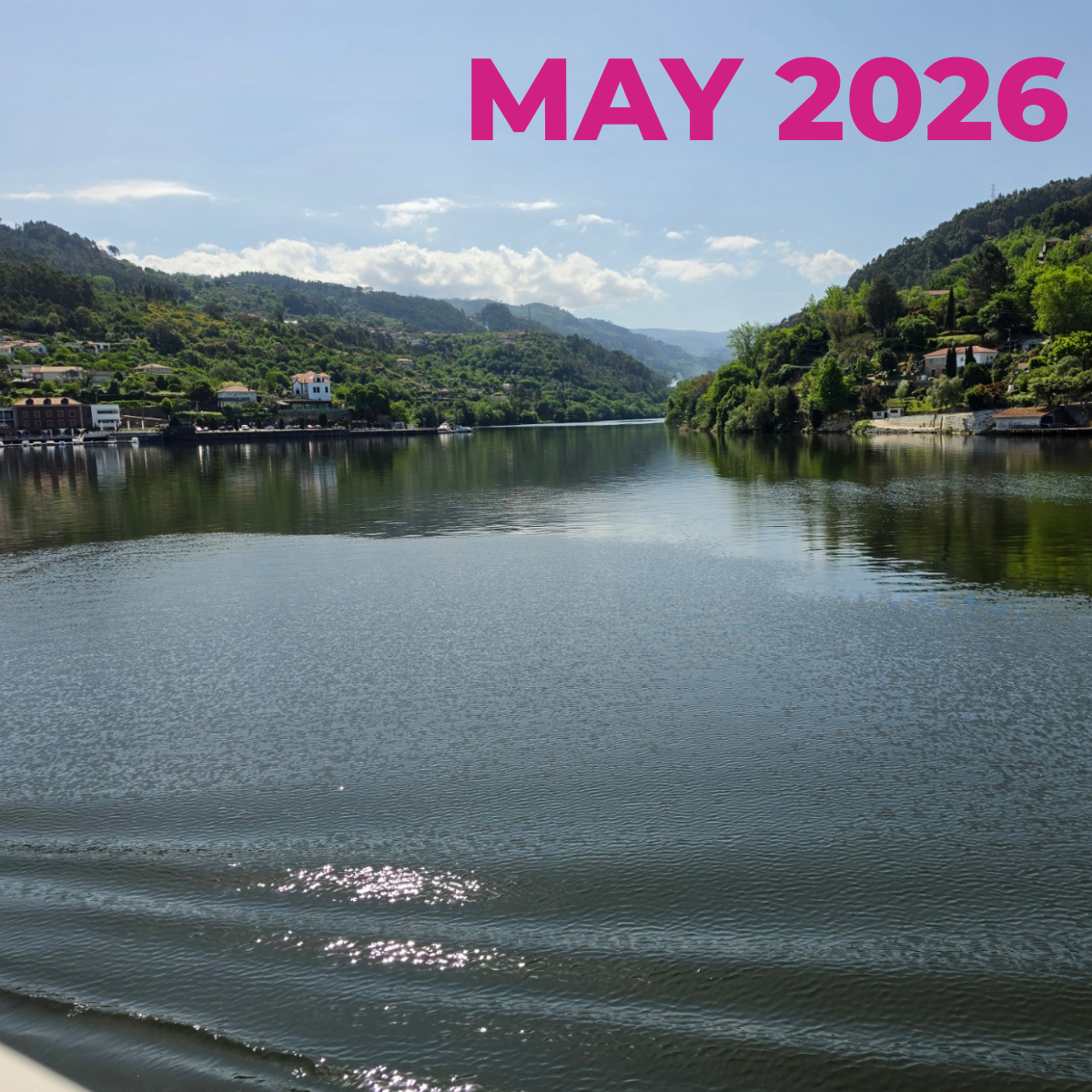
Greetings from Portugal where my husband and I are trying that remote working thing. We’re on a 30 day journey of wine, food, culture, people and packaging. Sometimes in that order, sometimes not.
It’s a mix of a wine cruise, a beach hangout, a resort residence and an epicurean cruise to close it all out. It’s all our money, all our points and all our miles, too! 😂




Spring is officially here, and lately it feels like the packaging world is split into two very distinct camps. As you plan your design and production for 2026, you’re going to think about whether you’re leaning into the "Clean Slate" club or joining the "Color Rebellion". Here’s what I mean about that!
The Great Aesthetic Divide: Cloud Dancer vs. The Color Rebellion
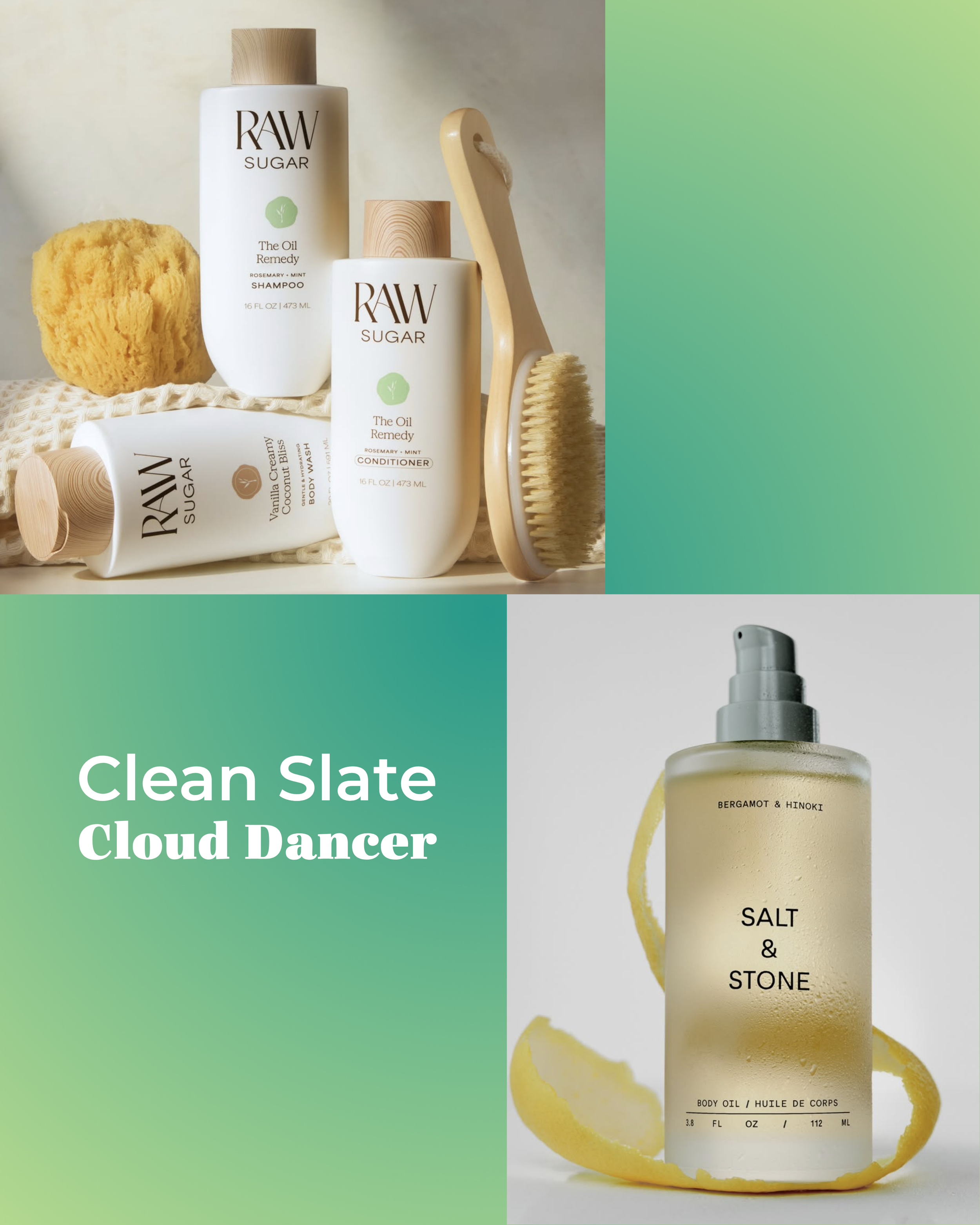
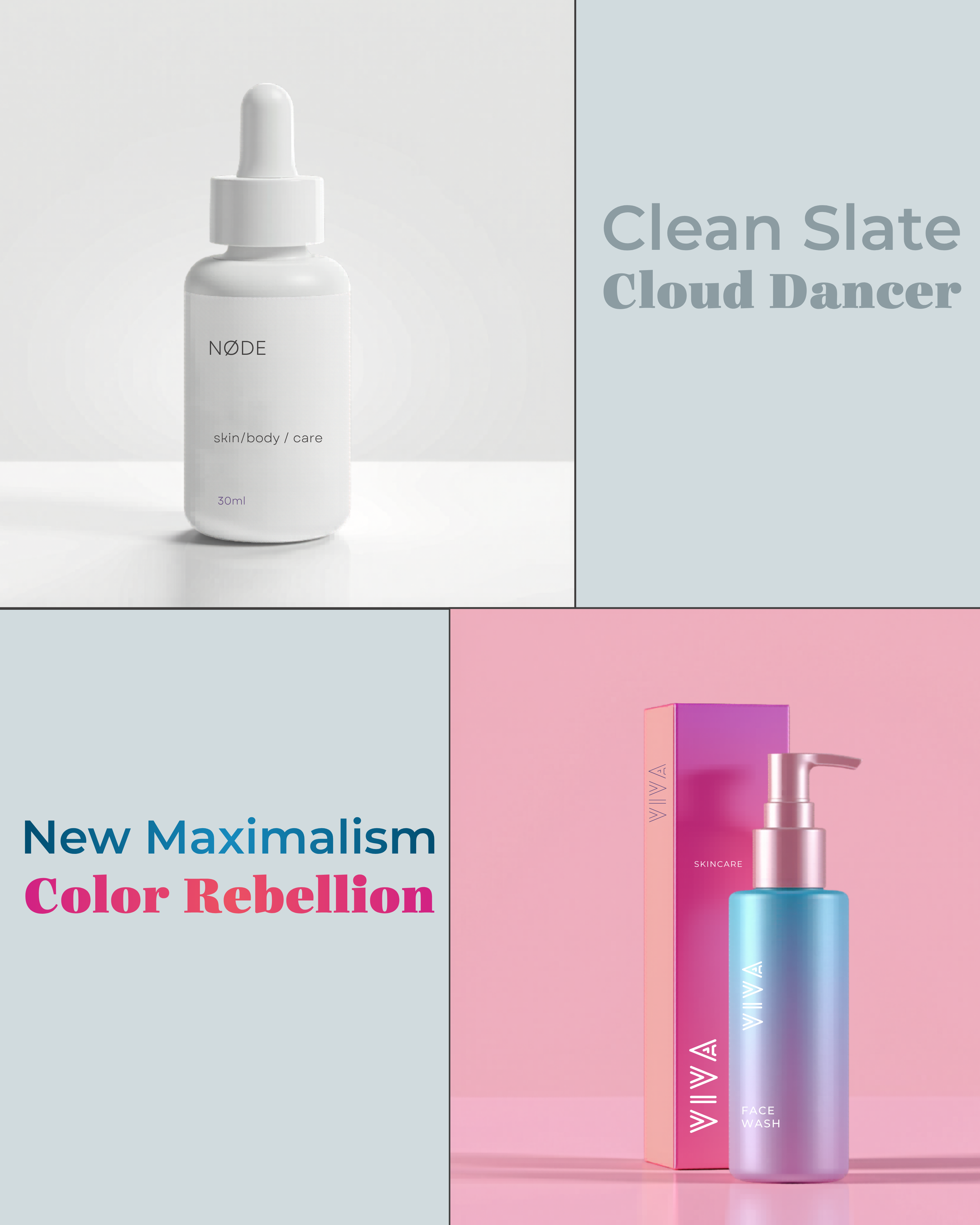
As you probably know, Pantone recently named Cloud Dancer (11-4201), a soft, nuanced white, as the 2026 shade of the year. On paper, it signals a massive industry pivot toward hyper-minimalism. But on the ground, we’re seeing a counter-movement.
The "Clean Slate" Path: This is the Biotech look. Brands like Raw Sugar Living are "de-cluttering" their visuals to lean into clinical authority. The strategy here is "Quiet Luxury" using monochromatic whites, sans-serif grids, and even haptic finishes (think soft-touch coatings, emboss/deboss, raised UV, grit coating, and other micro-reliefs. ) to signal purity. Great promotion from Sappi Paper about The Touch Advantage. Check out the research here. Ironically, you can download the e-book at that link. 😂
Side Note: If you go this route, remember that white is the hardest "color" to manufacture. Variation in substrates can make your bottles and cartons look yellow or blue next to each other on a shelf. The precision required for a "flawless" white often leads to higher QC rejection rates.
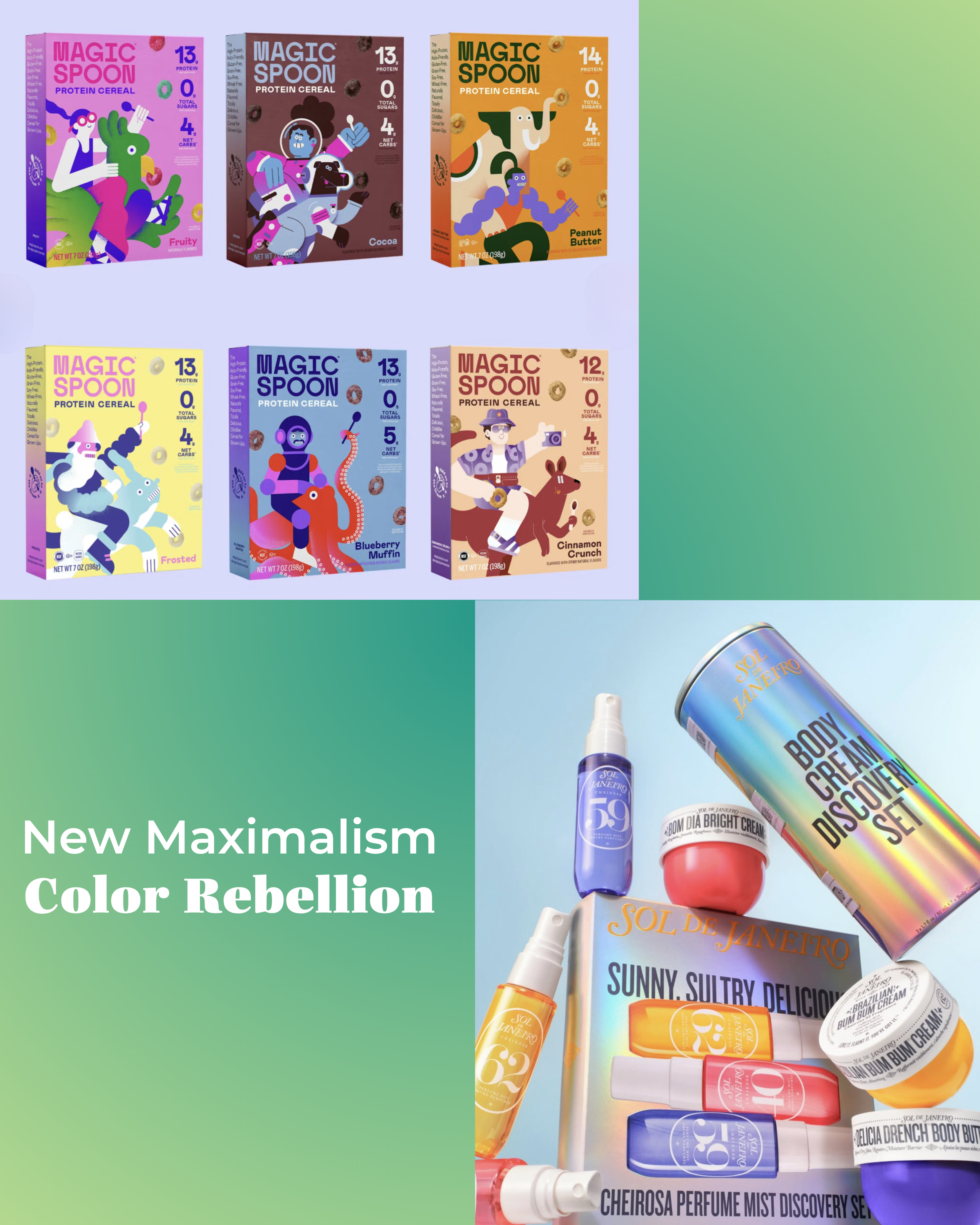
The "Color Rebellion" Path: This is for the brands that refuse to blend in. While competitors go white, we see a surge in New Maximalism. Think "Gen Z Green" (a fluorescent, wasabi-yellow-green) and "Malibu Blue." These high-energy shades are designed to disrupt the eye on a crowded retail shelf.
The Strategy: Brands like Sol de Janeiro or indie favorites like Bella Beauté Bar are proving that "loud" packaging creates an emotional, playful connection that clinical white simply can't. It’s a direct play against "minimalist fatigue."
It’s a 10 Haircare is celebrating 20 years with a modernized visual "glow-up". While they are adopting a sleeker, more minimalist structure, they are maintaining the vibrant, recognizable identity that appeals to a new generation of Gen Z consumers.
We are also seeing a broader "Prejuvenation" shift where brands use vibrant, "fun-ctional" packaging to turn routine maintenance into a playful habit.
The Decision: If your brand’s soul is about joy and personality, "Cloud Dancer" might actually be a "Cloud of Invisibility." 😂
Technical Shifts: AI & The Digital Back-of-Pack
Regardless of which aesthetic you choose, the technical requirements for your packaging are changing:
GEO (Generative Engine Optimization): Your packaging must now be optimized so AI shopping agents can "read" it. If your data isn't structured for these engines, your brand risks becoming invisible in the growing "automated shopping" sector.
The "Regulatory" QR: QR codes are moving from "marketing extras" to essentials for Digital Product Passports. We’re seeing brands like Garnier use these to bridge the "action gap" in sustainability, providing verifiable impact trackers right on the box.
The Technical Future: AI, QR, and Lasers
The back-of-pack is undergoing a digital revolution that is no longer optional.
GEO (Generative Engine Optimization): Packaging must now be optimized so AI shopping agents can accurately "read" and recommend products. If your packaging data isn't structured for these AI engines, your brand risks becoming invisible in the growing "automated shopping" sector.
Beyond Marketing QR: QR codes are shifting from "marketing extras" to "regulatory essentials". They are now the primary gateway for Digital Product Passports, providing local recycling info and verifiable sustainability claims that AI agents use to rank brands.
Laser Etching: In the beverage space, PepsiCo is accelerating the removal of labels entirely. The brand trademark is processed with an embossed micro-mark to retain the brand identity and increase the design texture, while the product-related information is printed by laser technique. No label = ease of recycling.
Design Engineering: The Rise of "Light Luxury"
We are also witnessing a bit of a shift in how consumers define "premium." For decades, physical mass was the primary cue for quality—the higher the weight of the glass, the higher the price. But in 2026, that "bulk" is being replaced by Material Intelligence.
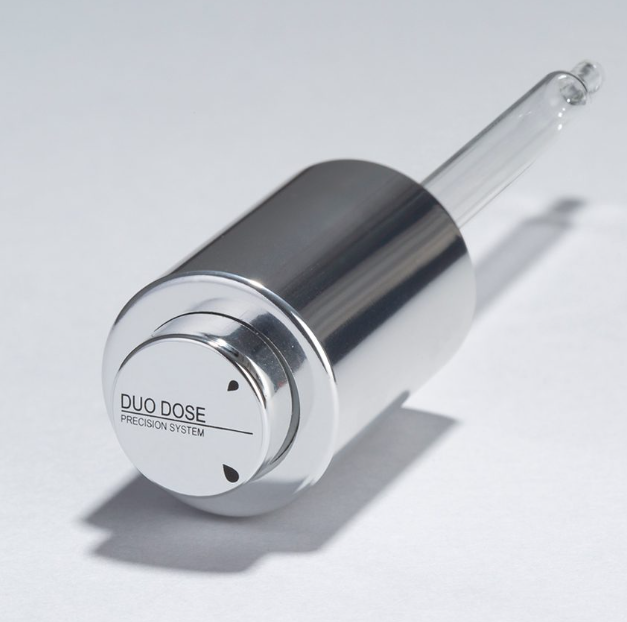
Precision over Mass: Today’s consumer finds value in the sensory mechanics. The perfectly calibrated "click" of a magnetic cap or the precise dosing of a mechanical dropper, like Virospack’s new "Duo Dose", is the new way to signal quality. It’s a specialized cosmetic dropper designed to dispense two precise, customizable volumes of skincare products like serums, oils, or lotions.
The packaging allows you to easily measure and dispense either 0.3 ml or 0.7 ml of product. I haven’t seen it in person yet but it also prevents waste by delivering an exact, fixed amount with each click, it helps eliminate product waste and overuse.
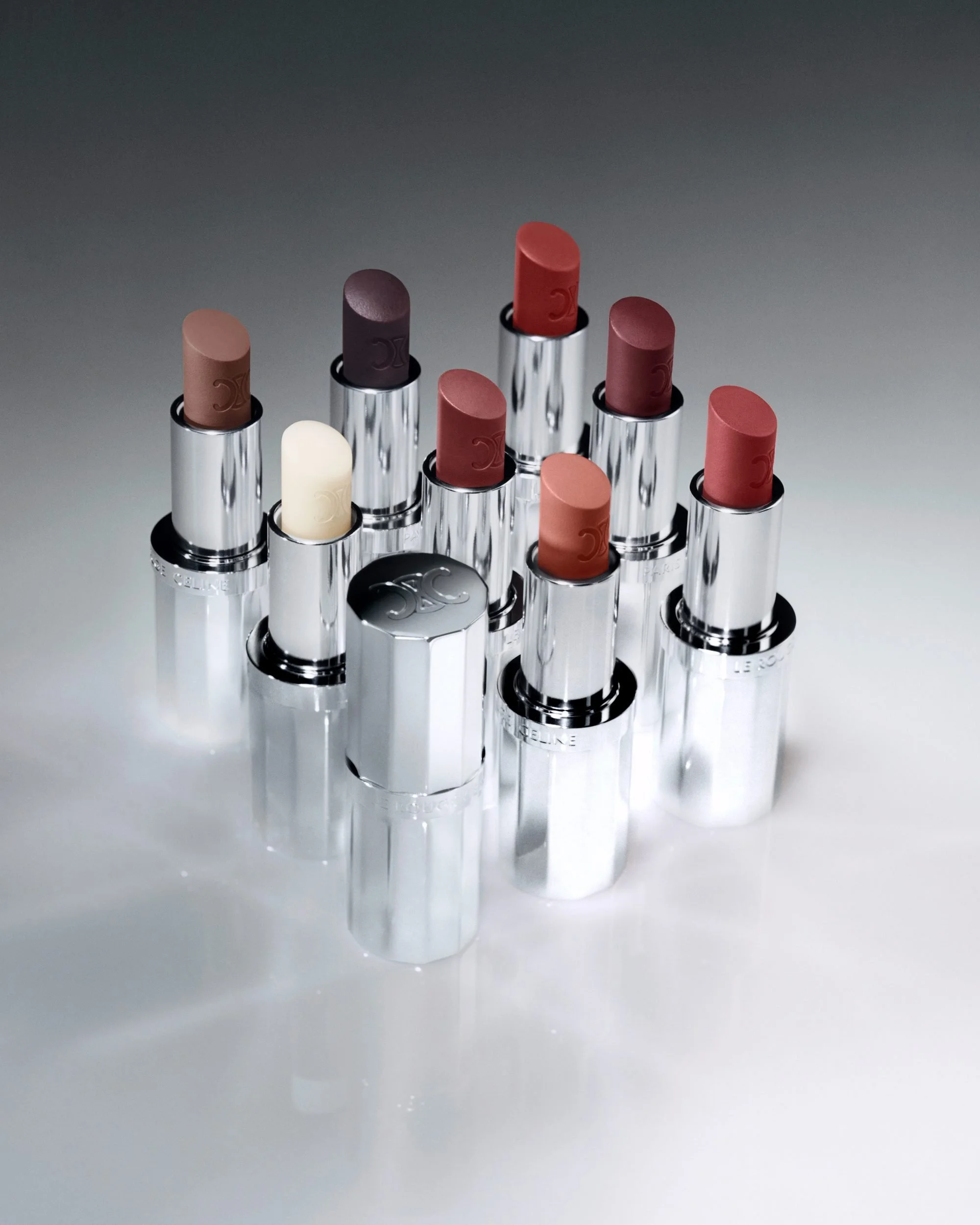
The "Jewelry" Standard: We are seeing a move toward smaller, high-density objects that feel like fine jewelry rather than heavy industrial jars. Brands like Celine Beauté are proving that a refillable, expertly crafted "keepsake" case is more desirable than a massive, single-use glass vessel.
The Integrated Tool: Look at The INKEY Lab’s new neck lift stick. The packaging is the tool (inspired by Gua Sha). This "functional luxury" adds perceived value without just adding weight.
Sharon’s Takeaway for Brand Owners
Here’s the simplest way to look at May: Your packaging needs to feel amazing, not just look good. Why? Because AI shopping assistants are getting really good at visually filtering products for consumers, meaning all the visual noise on the shelf is getting tuned out. The one thing the AI can’t replicate is the physical, hands-on moment your customer has with your product.
So, here’s a bit of friendly advice: Stop worrying only about "shelf appeal" and start thinking about the "hand experience." No matter if you choose the clean calm of Cloud Dancer or the vibrant energy of Malibu Blue, make sure the opening ritual, that satisfying "click," the right texture, and the whole unboxing experience, feels premium and special.
Before you head too far down one path or the other, it’s worth checking that your packaging plan can actually support where you’re going.
👉 Download the Packaging Plan Strength Assessment and take a look. Minimize guesswork, gain clarity.
