

Why the Middle Is the Most Dangerous Place for Packaging

Most packaging doesn’t fail because it’s bad.
It fails because it’s trying to be too many things at once.
I see this sometimes on shelf or when reviewing packaging specs. A box isn’t inexpensive enough to clearly win on efficiency, but it’s also not special enough to feel premium. It lands in the Middle quietly costing more than it should, without delivering the value it’s meant to communicate.
That middle ground feels safe. In reality, it’s usually the most expensive place to stand.
Packaging works best when it makes a clear choice
Strong packaging usually makes a clear choice: either really go for it and elevate the experience, or keep it simple and let the packaging do its job well.
Every package has multiple responsibilities—protecting the product, shipping well, looking good, and communicating the brand. But in practice, most packaging needs to succeed at one primary role.
Some packaging is meant to be efficient. It needs to work hard, ship smoothly, and keep costs under control. Other packaging is meant to create a moment. It’s there to feel special, signal value, and support a premium brand experience.
Trouble starts when packaging tries to do both at the same time.
What “the Middle” actually looks like
The Middle isn’t obvious. It’s rarely one big mistake. Instead, it’s a series of small, reasonable decisions that add up over time.
The cost feels high for what the package delivers, yet no one is excited about it. People describe it as “fine” or “good enough.” There may be upgrades, but they’re quiet—coatings you can barely feel, paper choices customers wouldn’t notice, or subtle embellishments added simply to avoid looking plain.
Structurally, the packaging often works harder than it needs to. There may be extra flaps, multiple pieces, or custom elements that don’t actually improve the experience. Each decision adds cost, but not meaning.
When you step back, it’s also not clear what role the packaging is playing. It doesn’t feel special enough to keep, and it isn’t simple enough to justify its price. It sits awkwardly between being a gift and being a workhorse.
Why the Middle feels safe
The Middle feels safe because it avoids commitment.
When packaging sits in the middle, teams are often trying to avoid a few very real fears. No one wants the packaging to look cheap. No one wants to overspend. And no one wants to be the person who pushed too far in one direction and has to defend that decision later.
So instead of choosing a clear path, brands add just enough of everything.
That feels careful. It feels responsible. It feels low risk.
But what it really does is protect people—not packaging.
Marketing doesn’t have to worry about going too basic. Purchasing doesn’t have to approve something that feels indulgent. Product teams don’t have to stand behind a bold choice. No one fully owns the direction.
And that shared hesitation is what makes the middle feel comfortable.
Why that safety is an illusion
The problem is, the Middle doesn’t actually reduce risk. It just spreads it out.
Because the cost is added in small pieces—an upgrade here, an extra step there—it doesn’t feel dramatic at the time. Each decision makes sense on its own. But together, they create packaging that is more complex, more expensive, and harder to justify.
This is where the real cost shows up:
more materials than necessary
more production steps
more handoffs and revisions
more pressure on margins
more explanations every time the packaging is discussed
The packaging becomes something to defend instead of something that quietly does its job. Good packaging shouldn’t need defending.
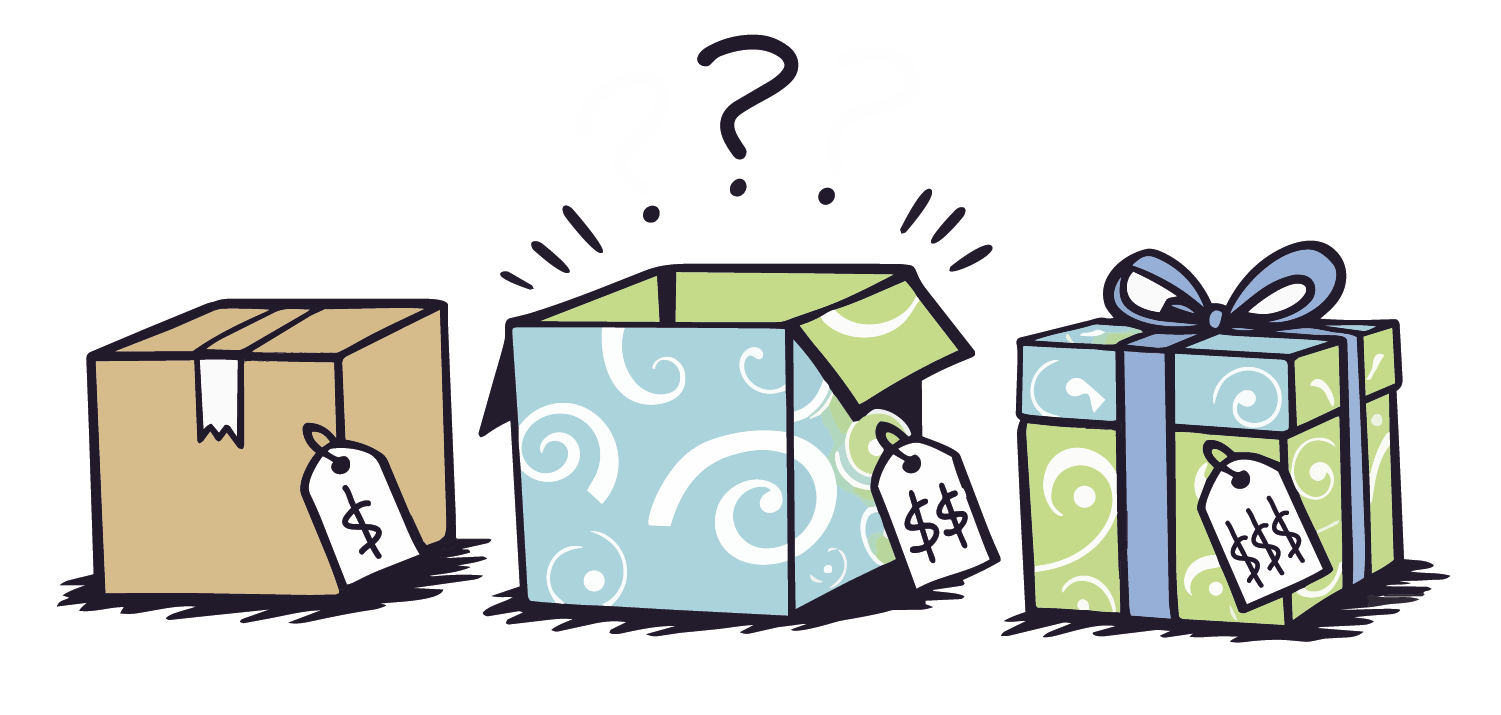
Why the Middle causes problems
Packaging in the middle fails in two directions at once.
It isn’t inexpensive enough to clearly win on efficiency, which invites price pressure and makes every reorder feel tense. At the same time, it isn’t emotionally compelling enough to support the brand story or elevate the customer experience.
The result is packaging that costs like something premium but behaves like something basic. That mismatch leads to frustration, margin pressure, and packaging decisions that keep getting revisited.
Not because anyone did something wrong, but because no one ever made a clear choice.
Two clearer paths that actually work
Getting out of the Middle doesn’t mean spending more. It means being intentional.
Some packaging should be simplified on purpose. When a product is a repeat purchase, ships frequently, or needs to stay cost-smart, clarity comes from reducing complexity. Fewer parts, fewer extras, and smarter material and production choices often lead to better results—not worse ones. Simple packaging can still be thoughtful, well designed, and on brand.
Other packaging should be elevated with intention. When a product is a gift, a launch, or a brand moment, added cost should be obvious and felt. Structure, materials, printing, and finishes should all have a clear role in creating an experience that earns its price.
In both cases, the goal is the same: every dollar should have a job.
A simple way to sense-check your packaging
When I review packaging, I often ask two quiet questions.
If some cost were removed, would anyone notice?
By “cost,” I mean any money spent on structure, materials, printing, finishes, or production complexity. If removing part of that spend wouldn’t change the customer’s experience, that’s a sign the packaging may be stuck in the middle.
Then I ask: if more costs were added, would the packaging feel clearly better? If the answer is uncertain, that’s another signal.
Strong packaging has leverage. Middle packaging does not.
Why this matters right now
Costs are up, attention is short, and brands can’t afford packaging that’s just okay.
Packaging needs to clearly support the business and clearly support the brand. When it does, it earns its place. When it doesn’t, it quietly works against you.
The goal isn’t fancy packaging, and it isn’t cheap packaging. It’s clear packaging: clear in purpose, clear in value, and clear in intent.
The middle feels comfortable, but over time, it’s the most expensive place to stand.
Reference inspiration: This topic was informed by a recent article published by PTIS Global exploring how packaging positioned between value and premium often underperforms.
