

From the Desk of PackagingChic | April 2026
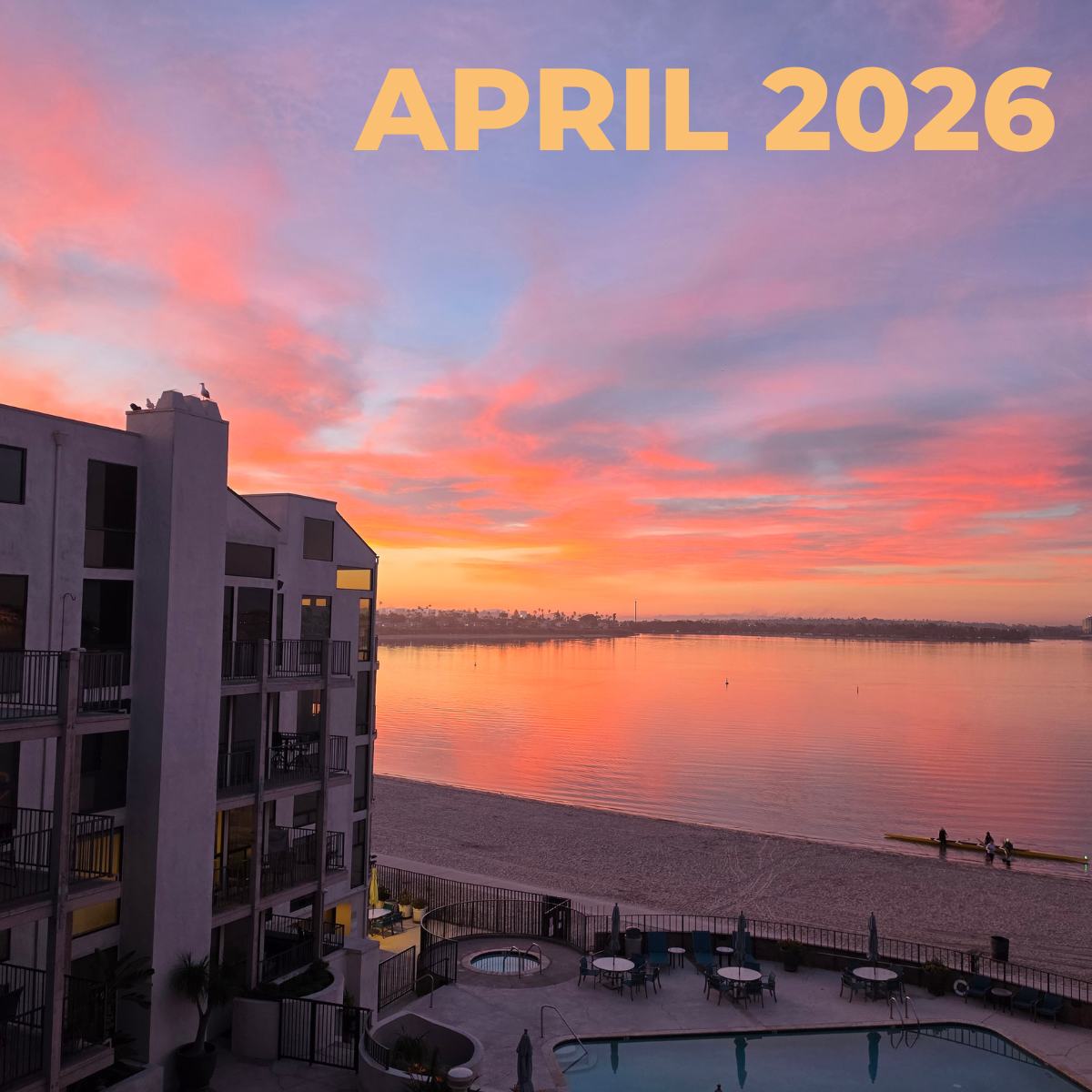
Welcome to 2nd Quarter of 2026! How was the first quarter for you?
I went to a bunch of tradeshows and industry events. Had a blast meeting and seeing people and packaging in specialty food, beauty and other consumer product goods. So lucky these shows were in Southern California - the travel time was minimal.
First up was the Specialty Food Association’s Winter Fancy Faire* right here in San Diego. They tout it as the first big event of the year and it was! We had great weather to welcome people from all around the world. I led sessions in the Ask the Experts area where we did a sort of “speed dating” about packaging. Next year, this show will move to San Francisco.
Then in March, I went to Luxe Pack LA which is co-located with Makeup In LA (MULA). It’s a blended show of primary, secondary and luxury packaging as well as formulators and product companies. So interesting to see where we all connect and interact with each other. I’m a lifelong learner, so I’m always on the lookout for new trends, products and partners to work with. Found some!!
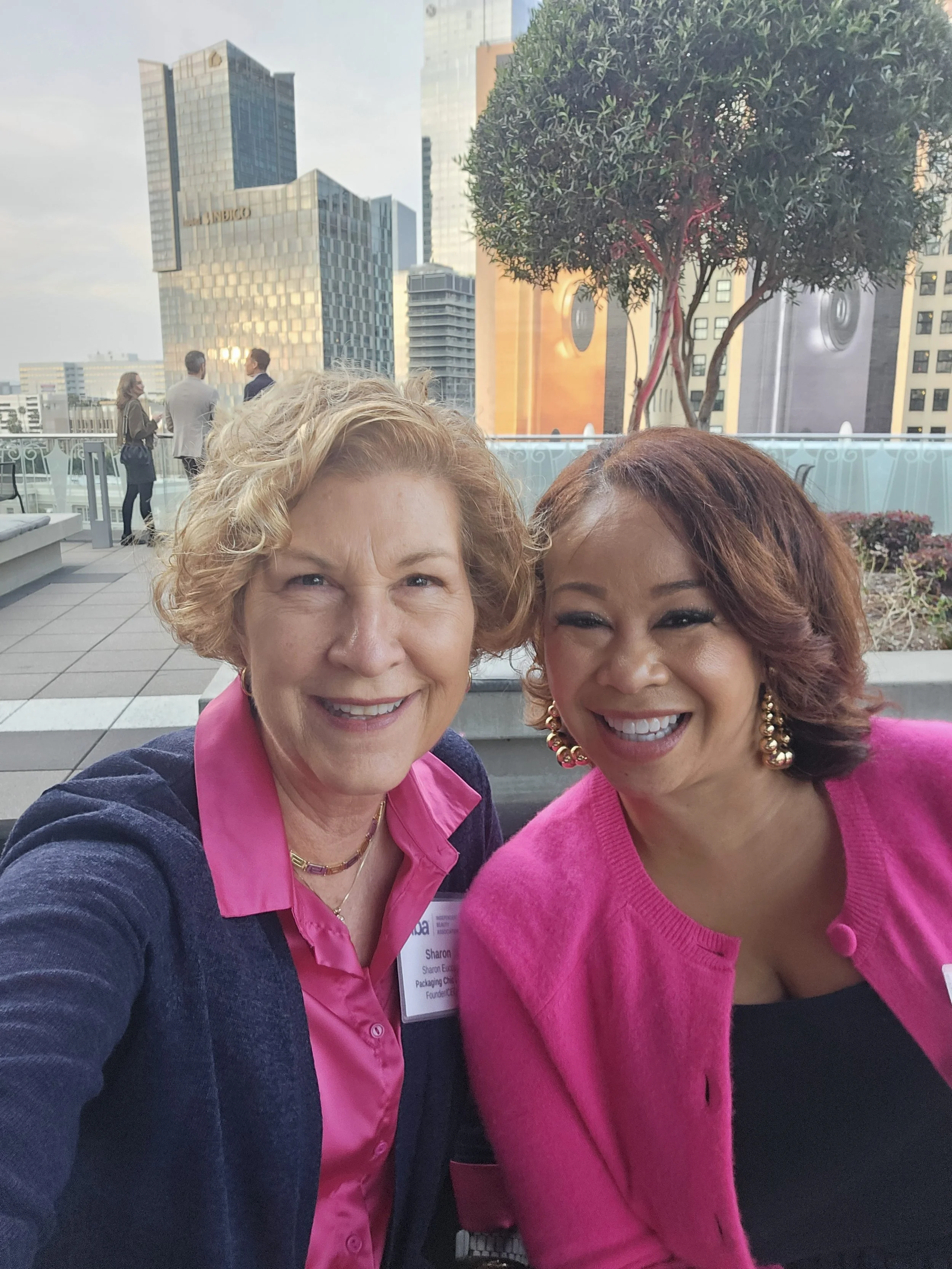
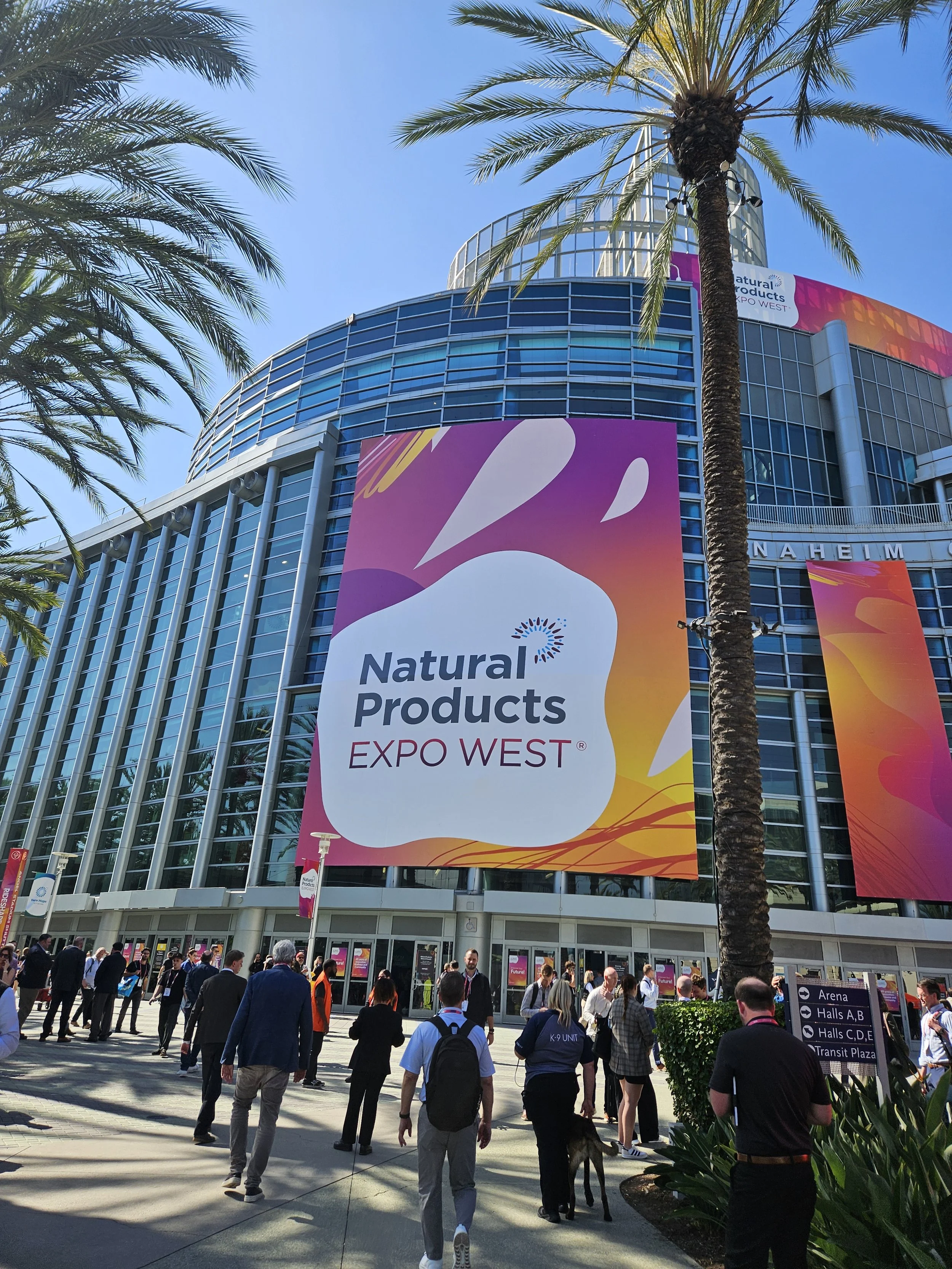
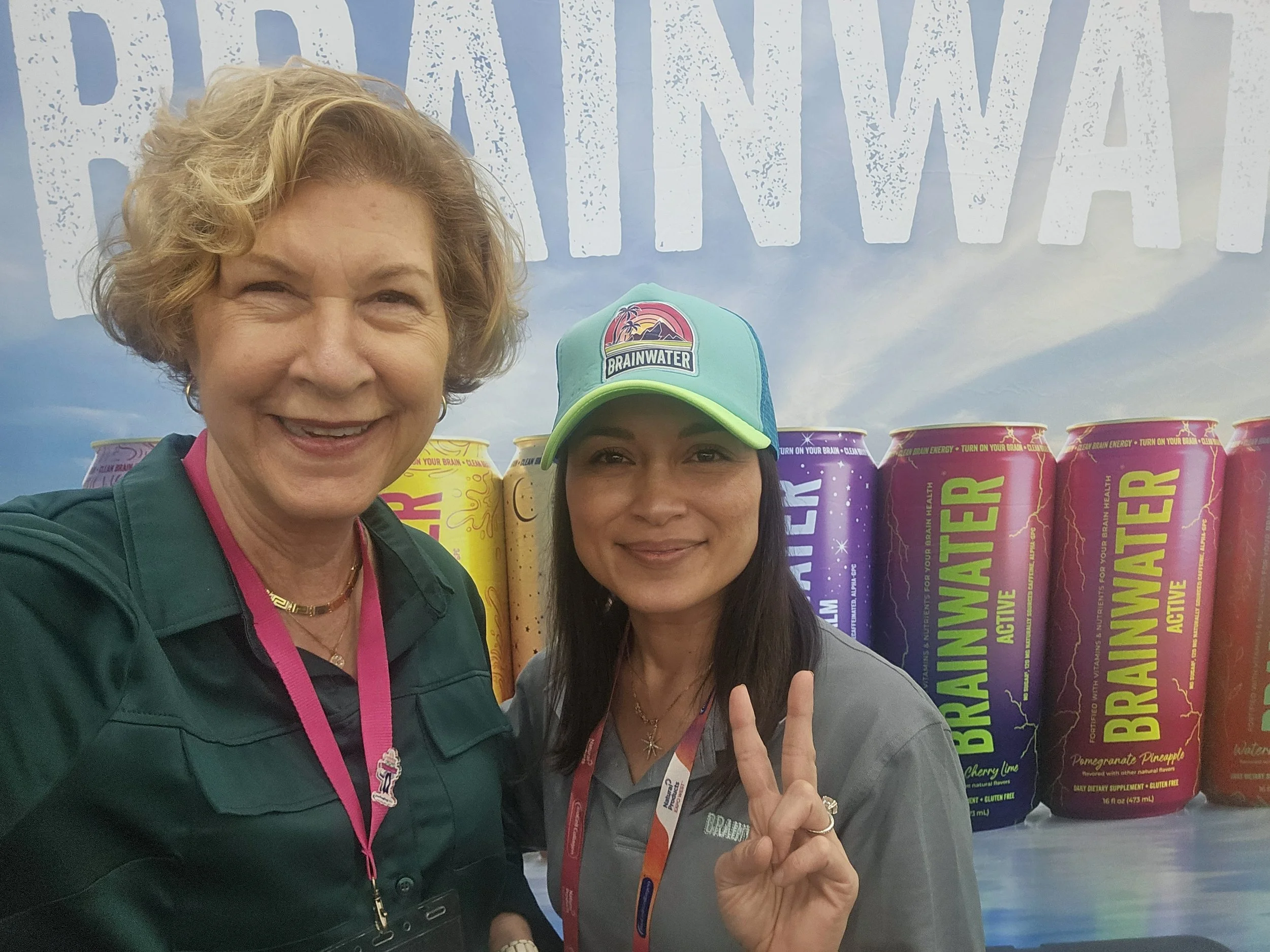
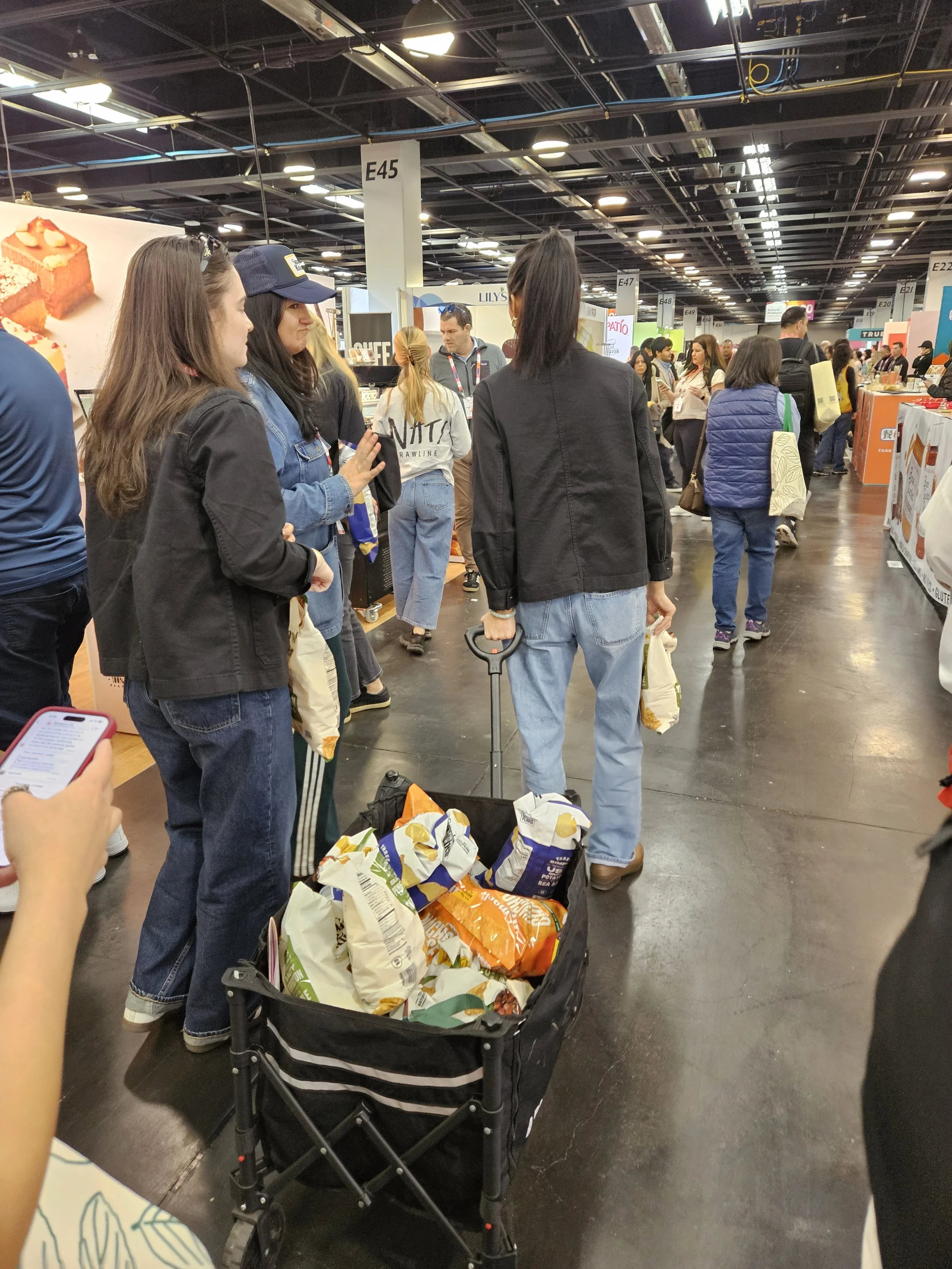
After Luxe Pack/MULA, I headed to Anaheim for the biggest show on earth for CPG: Natural Products Expo West (Is it really the biggest? I’m not totally sure on that, but it IS a beast of a show!) I worked a bit at the Utah Paperbox booth first and met up with clients who had their own booths.
This show is a hoarder’s paradise!
To be somewhat fair, it IS important to many brands to be able to show their products and have over 65,000 people sample what they’ve brought!
Project Highlight:
Advent Calendar Sourcing and Pricing Preview
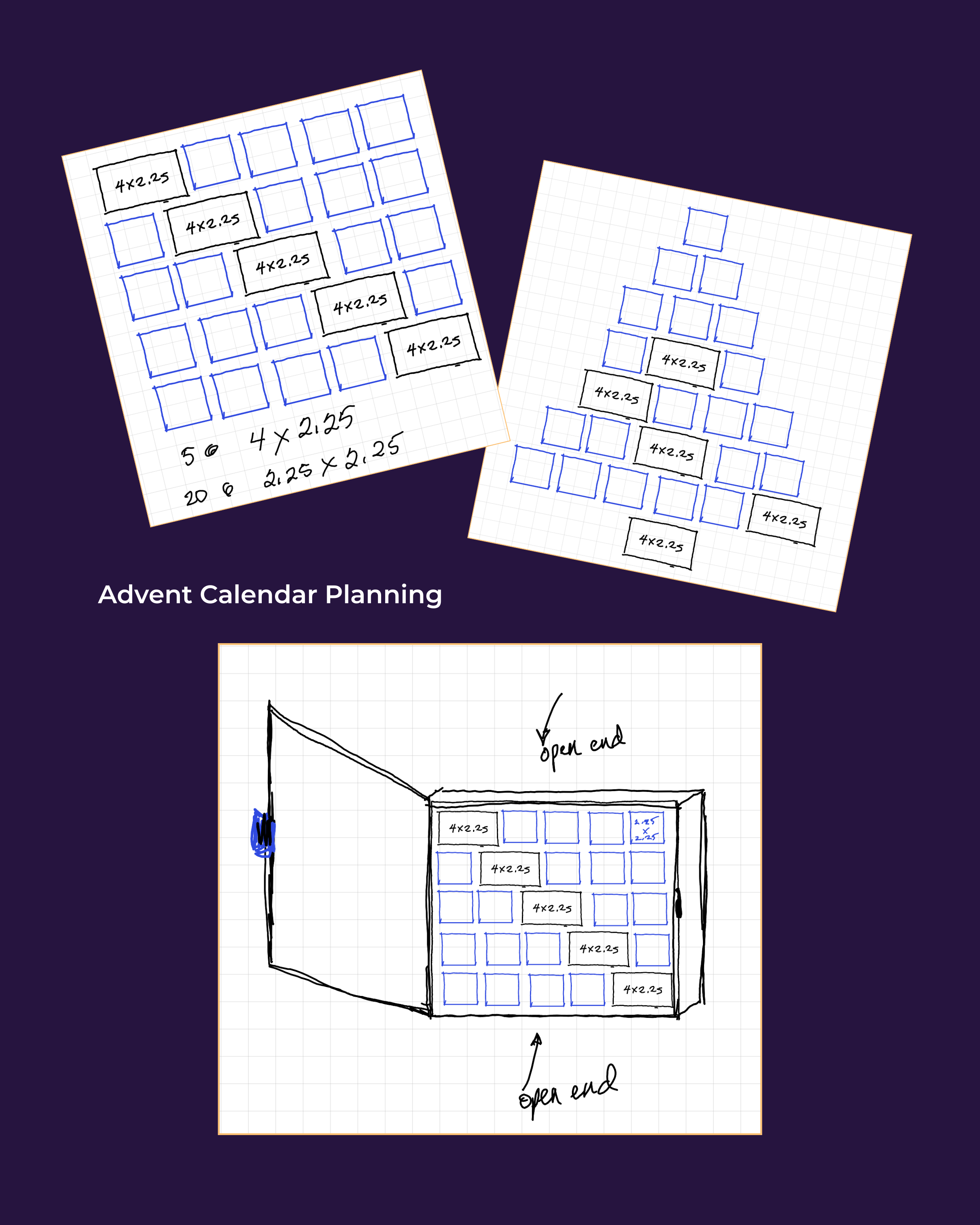
Weirdest thing happened this past quarter . . . I met a new client at the Winter Fancy Faire in San Diego. That wasn’t weird, that was great! WFF is a show and conference put on by the Specialty Food Association. Summer is in New York and Winter is on the West Coast.
This new client, a specialty chocolate company, wanted to get an Advent Calendar together for Holiday 2026. Perfect timing! The thing was, she really didn’t know how much money a project like that would cost. So she and her team signed up for my Pricing Strategy & Cost Preview service. This is where I do the research and provide a document with options for structure, pricing and ways to decide how to move forward.
At the same time, a longstanding client reached out to me asking for help to sample and produce their 2026 Advent Calendar. Great timing again - different projects but it showed me that Advent Calendars are on brands’ minds for 2026.
Want to get in on the conversation? Send me an email: sharon@packagingchic.com to begin.
Anyway, let’s get into this month’s nitty gritty.
Navigating the 2026 Shift in CPG Strategy
The "Brand Loyalty" era of the 2010s. You know, where high-concept lifestyle and sleek brand aesthetics could carry a product for years. It’s officially hitting a wall. As we close out the first quarter of 2026, the data indicates that consumers are no longer buying "stories"; they are buying Clarity.
So let’s call it The Clarity Pivot. It’s a strategic move away from aesthetic clutter and toward a "disciplined design" that signals value, utility, and honesty at a glance.
Here are some points of depth behind the shift.
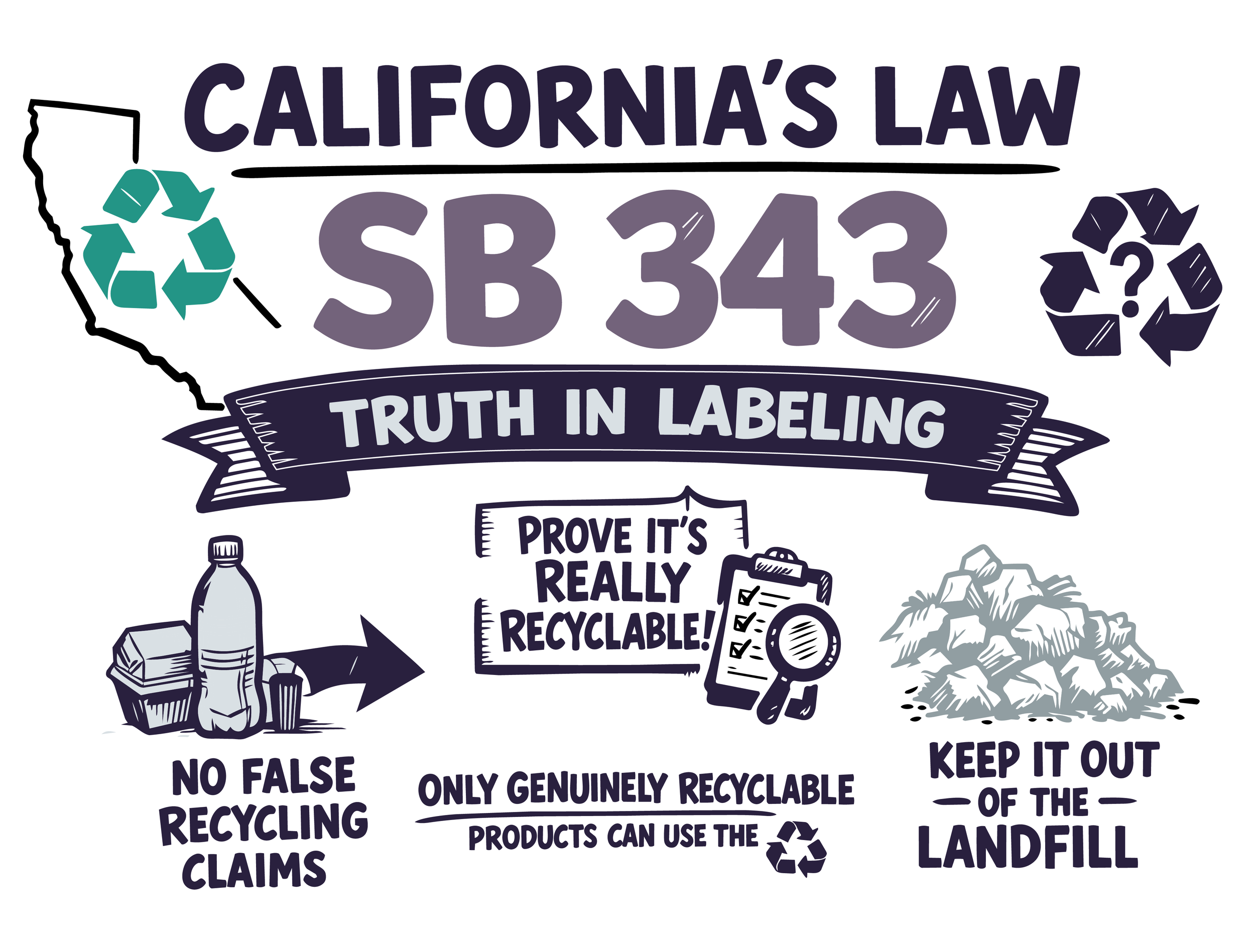
1. The Legal Mandate: "Truth in Labeling" and SB 343
Let’s start with good old California! For decades, the "chasing arrows" symbol was the universal shorthand for "eco-friendly." That shorthand is now a legal liability. On March 17, 2026, a coalition of 18 food industry groups and trade associations filed a significant legal injunction in federal court against California’s SB 343. This law strictly prohibits the use of recyclability symbols on packaging manufactured after October 2026 unless the material meets stringent recovery metrics; specifically, being accepted by facilities serving at least 60% of the state's population [1, 2]. This is a fluid situation! Packaging Dive is keeping watch and provides updates here: Packaging Dive update, 7/15/26
The Production Impact:
This isn't just a legal headline; it’s a massive retooling mandate. Brands are moving toward Hyper-Transparent Labeling. To avoid "greenwashing" lawsuits, leading designers are replacing vague icons with bold, text-based instructions (e.g., "Separate Cap from Bottle"). In a market defined by skepticism, being the most "honest" brand on the shelf is becoming a primary competitive advantage.
While the legal battle over California’s SB 343 continues to unfold in federal court, the strategic writing is already on the wall: the era of "implied" sustainability is over. Under the new guidelines, the classic "Chasing Arrows" symbol—once a catch-all for anything remotely recyclable—is being redefined as a specific claim of actual infrastructure availability.
Why the "Arrows" are Now a Liability
The core of the SB 343 mandate is that a product cannot bear the recycling symbol unless it is "deemed recyclable" in the State of California. This requires proof that the material is actually collected, sorted, and baled by recycling programs that serve at least 60% of the state’s population. For many multi-layer plastics, dark-colored resins, or small-format beauty components, that 60% threshold is an impossible hurdle.
What "Hyper-Transparent Labeling" Looks Like in Practice
As brands move away from vague icons, we are seeing a shift toward Instructional Design. Hyper-transparency means the packaging effectively "coaches" the consumer through its end-of-life process.
The "De-Branded" Instructions: Brands are moving away from tiny, fine-print disclaimers. Instead, they are using high-contrast, bold blocks of text. For example: "Check Locally: This lid is rarely recycled. Dispose of in trash. Bottle is 100% Aluminum—Recycle as one piece."
The Rise of How2Recycle 2.0: Many brands are moving toward the How2Recycle labeling system, but with even more specific callouts. We are seeing "Paper-Not-Plastic" callouts where the paper outer-shell of a bottle is branded separately from its inner liner to ensure the consumer separates them correctly.
Component-Level Callouts: For luxury and beauty brands, this means labeling every single part. Instead of one symbol on the box, the pump, the bottle, and the overcap each carry their own clear "instructional" identity.
Avoiding the "Greenwashing" Trap
The risk isn't just a fine from the state; it’s a total loss of consumer trust. According to research from the Environmental Claims Journal, consumers are significantly more likely to forgive a brand that admits a component is "Not Currently Recyclable" than a brand that uses a "Chasing Arrows" symbol on a product that ends up in a landfill.
The Pro-Active Retooling Mandate: For brand owners, the retooling mandate means auditing your entire SKU library now. If your packaging is manufactured after October 2026 and carries an "unqualified" recycling claim, you are opening the door to class-action "greenwashing" lawsuits.
The "Clarity Pivot" here is simple: If in doubt, write it out. Use plain English instead of icons to tell your sustainability story.
If you’re offering packaging design and production artwork as a service, these changes will bring you some new clients!
2. The "K-Shaped" Consumer Reality
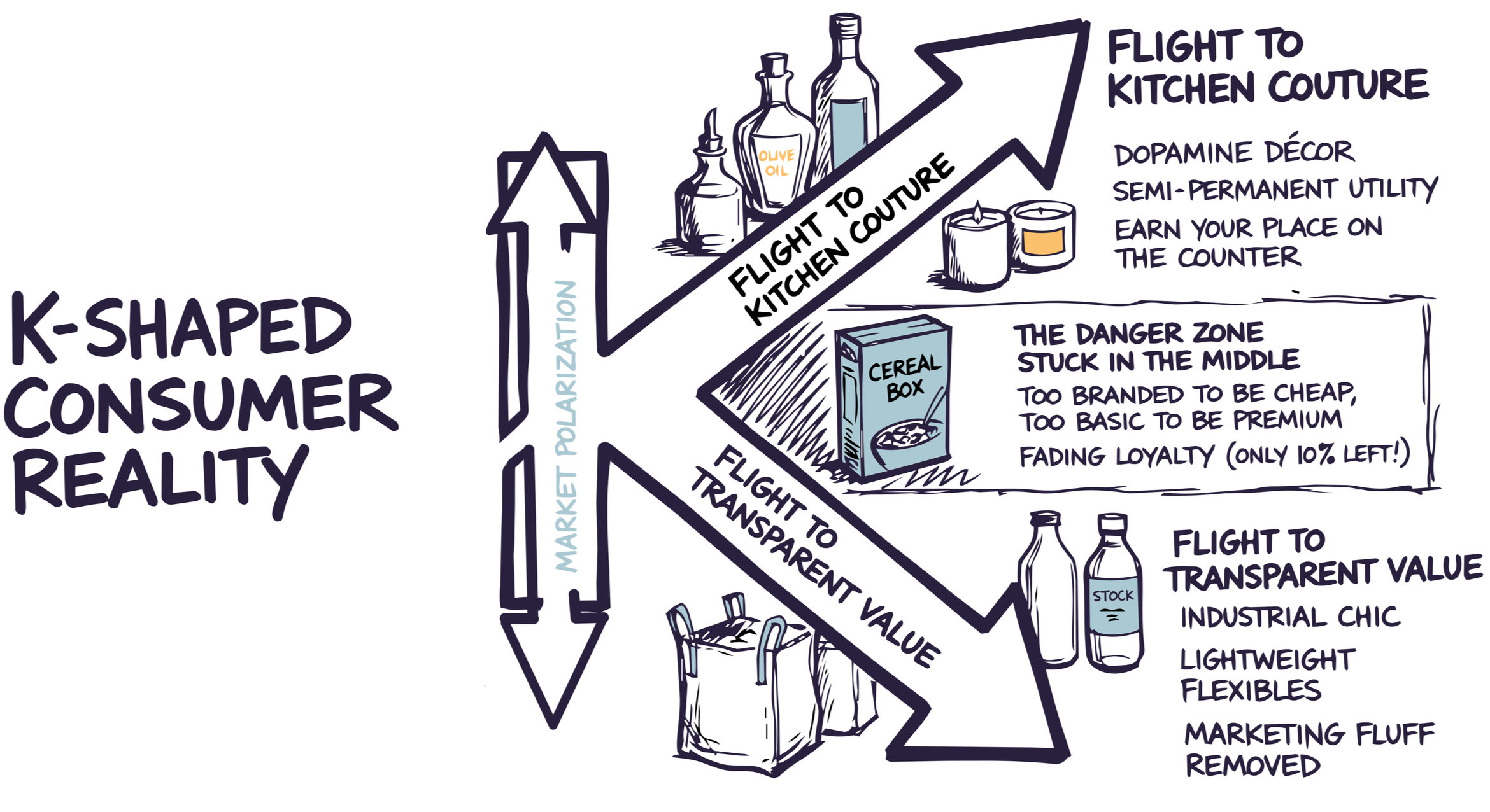
The middle market is evaporating. The disappearance of the "middle-ground" consumer is perhaps the most disruptive trend of 2026. As brand loyalty drops—with only 10% of shoppers remaining brand-exclusive [3]—we are seeing a "K-Shaped" recovery in the CPG space. One arm of the "K" represents the flight to Absolute Value, while the other represents a surge in Dopamine Décor and ultra-premium experiences.
The Death of the "Generic Premium"
For years, brands lived in the comfortable middle: "nice" packaging, a "good" story, and a moderate price point. In 2026, this is the danger zone. If your packaging looks "average-premium," the consumer is now mathematically likely to trade down to a private-label equivalent that offers 90% of the aesthetic for 60% of the price.
To survive, you must choose a side of the "K."
Arm 1: The Efficiency Play (The Value Pivot)
On the downward arm of the "K," clarity means Price Transparency. This isn't just about being cheap; it’s about looking efficient.
Design Strategy: We are seeing a shift toward "Industrial Chic"—minimalist, bulk-style packaging that signals to the consumer: "You aren't paying for a fancy box; you're paying for the high-quality liquid inside."
The "No-Waste" Signal: Using lightweight flexibles or stock bottles with high-contrast, simple labels communicates that the brand has stripped away "marketing fluff" to keep prices stable.
Arm 2: Kitchen Couture (The Utility Pivot)
On the upward arm of the "K," consumers are still spending—but they are demanding more "mileage" from their physical objects. If a consumer is going to pay a premium, the packaging must earn its keep as a semi-permanent fixture in their home [5].
The Countertop Trophy: We are seeing olive oils, dish soaps, and supplements moving into heavy glass, ceramic-coated metals, and sculptural silhouettes. The goal is to make the packaging so beautiful that the consumer refuses to hide it in a cabinet.
The Refill Economy: Luxury is being redefined by the "Permanent Vessel." The "Clarity Pivot" here is the shift from "Single-Use Luxury" to "Heirloom Utility." When the packaging is a piece of decor, the high initial price point is justified as a one-time investment in the home’s aesthetic.
The "Middle-Trap" Audit
If your brand is currently struggling, ask yourself: Does my packaging look like a bargain, or does it look like a trophy? If it’s somewhere in between, you are likely suffering from the "Quietly Expensive" syndrome; where your costs are high, but the consumer doesn't see enough "Couture" or "Value" to justify the choice over a store brand.
3. Designing for "Non-Human" Discovery
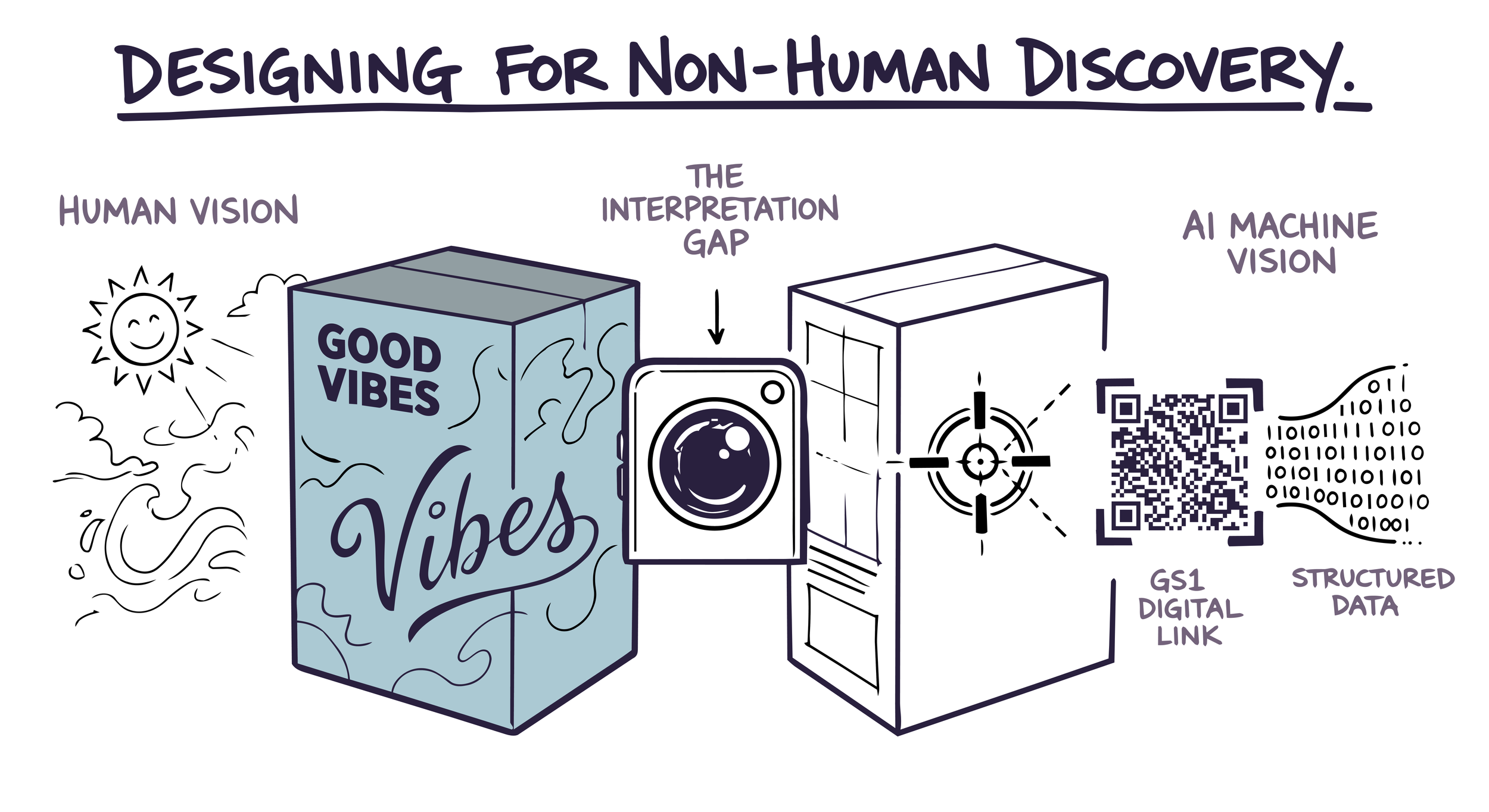
Perhaps the most profound shift this month is how products are actually "found." The way products are "found" is undergoing its most radical transformation since the invention of the search engine. Now it’s early 2026 and we’ve crossed a critical threshold: nearly 1-in-5 US consumers (19%) now use Generative AI tools specifically to discover and evaluate brands [4]. Among Gen Z and Millennial "AI-enabled shoppers," that number is even higher for routine purchases like groceries and personal care [3.2].
But here is the reality check: AI shopping assistants do not "feel" your brand’s vibe. They scan for Structured Data and Machine-Readable Clarity. To survive this shift, your packaging must pivot from "attracting clicks" to "being interpretable."
1. The Rise of "Agentic Commerce"
We are moving beyond simple chatbots into the era of Agentic Commerce—where AI agents browse, compare, and even purchase items on behalf of consumers [5.3]. These agents rely on a shared language, such as the recently introduced Universal Commerce Protocol (UCP), which creates a machine-readable structure for product attributes and specifications [2.4].
If your packaging doesn’t provide clear, structured signals that these bots can ingest, your brand won’t even make it into the "consideration set" generated for the human shopper.
2. "Disciplined Typography" and Machine Vision
For a product on a shelf (or in a digital twin of that shelf), "readability" is now a technical requirement.
🧐Machine Vision, the AI’s ability to see and interpret physical objects, is currently experiencing the highest momentum in the industry [1.4].
The Design Strategy: Brands are adopting Disciplined Typography using high-contrast, easy to read fonts (like Arial, Helvetica, Verdana, or Roboto) that allow AI systems to distinguish between similar products without guesswork [4.2, 5.2].
OCR-First Layouts: We are seeing a move toward "clean-room" design layouts where critical data (ingredients, certifications, weight) is kept in high-contrast blocks, free from overlapping graphics or busy patterns that confuse machine vision.
3. The Digital Anchor: GS1 Digital Link
The physical pack is increasingly becoming a Digital Access Point. As the industry prepares for GS1 Sunrise 2027, the transition from 1D barcodes to 2D QR codes (specifically GS1 Digital Links) has become a survival requirement [1.3]. I wrote about this in a previous post HERE.
A GS1 Digital Link serves as the "Source of Truth" for an AI bot. While a bot might "hallucinate" information based on scattered web data, a scanned Digital Link provides a direct, verifiable connection to your product’s master data including allergens, sustainability credentials, and real-time availability [5.2].
Examples of AI-Ready Design:
"Digital Twin" Optimized Packaging: Brands are now testing their packaging designs against AI simulations to see how they appear to bots in low-light or crowded digital shelf environments [4.3].
High-Contrast Smart Labels: Modern beauty brands are utilizing 2D barcodes that not only provide audio instructions for human accessibility but also act as a data anchor for AI "Personal Shoppers" to verify product claims instantly [4.1].
The Takeaway: In our AI-mediated world of 2026 and beyond, the decisive moment of purchase just might happen long before a shopper ever touches the box. Your packaging must now be as "smart" as the agents doing the shopping.
4. Technical Integration: The "Audit" Reality
The most beautiful "Clarity Pivot" in the world is a failure if it can’t survive the production line. As we look at the innovations from Cosmoprof 2026 and the rise of materials like upcycled hazelnut shells (!) and compostable Vivomer, a new tension has emerged: the gap between Sustainability Goals and Operational Efficiency [2]. Oh! I had a chance to see Vivomer in action for Dulcie Skincare. Vivomer is a bio-based material developed by their main packaging partner, Shellworks. More details at the link for Shellworks.
To move from a "trend" to a "target," every brand owner must perform a Technical Integration Audit. This isn't just about the look; it’s about the physics of the package.
1. The Scrap Rate Trap
New bio-materials and monomaterial plastics often have different thermal properties than the traditional resins we’ve used for decades. During your audit, you must test for Line Speed Compatibility. If a new "eco-friendly" pouch requires you to slow your filling line by 30% to achieve a proper seal, your carbon footprint might actually increase due to extended energy use, and your margins will certainly shrink. This feels like we’re chasing arrows! 😂
2. The "Unboxing" Durability Test
Luxury is defined by the sensory experience, but "Kitchen Couture" requires durability. If you are moving to a refillable glass vessel or a high-aesthetic ceramic-coated metal, the "Clarity Pivot" requires you to audit your Transit Protection. * The Refill Fit: Does the compostable refill "click" into the permanent vessel with the same satisfying haptic feedback as the original?
The Finish Resilience: Will that matte, "counter-worthy" finish survive the friction of a shipping box without scuffing? (Answer: Matte coatings have the least scuff resistance, so probably not!)
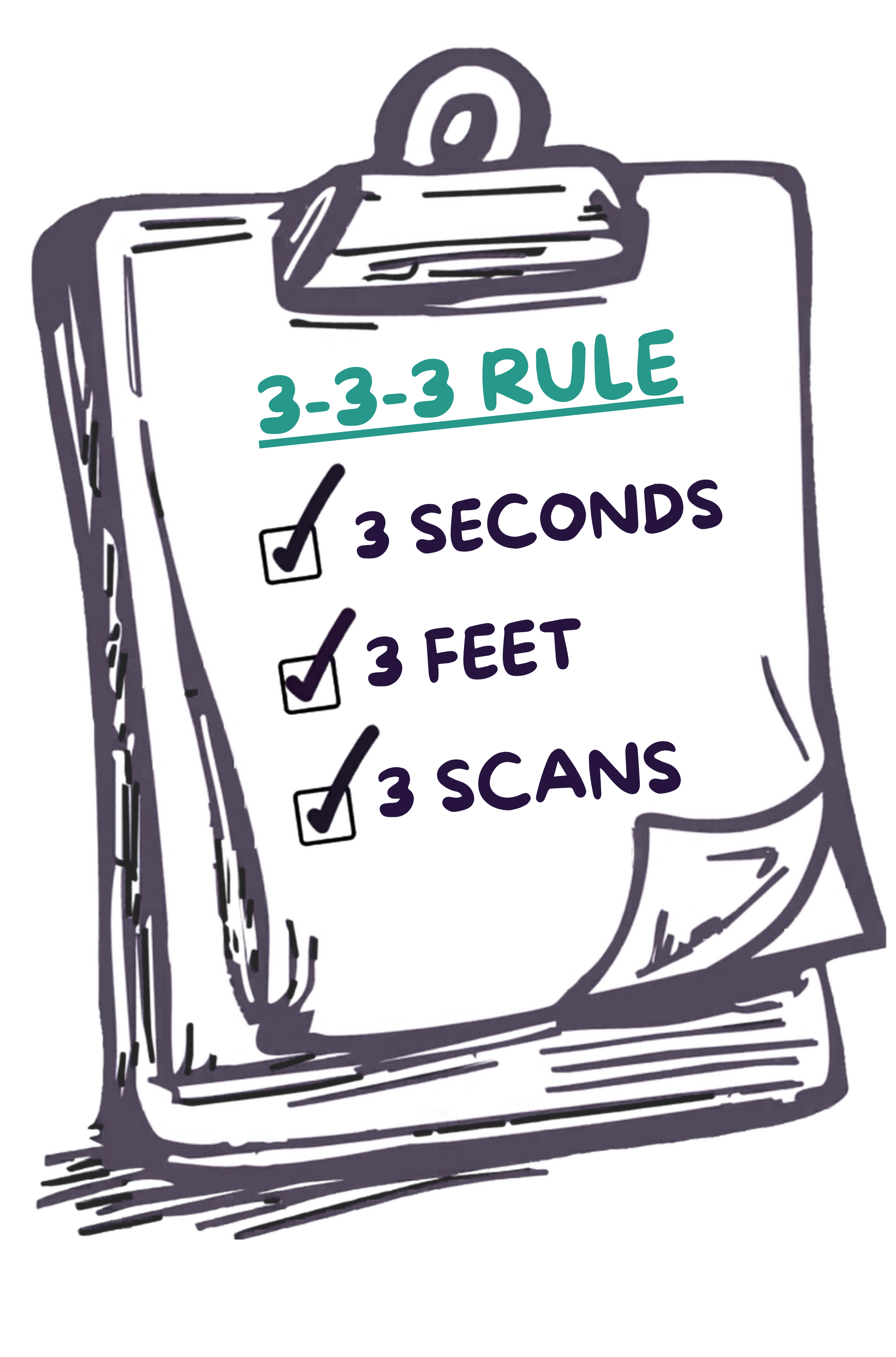
3. The 3-Second Searchability Audit
Finally, what if we make the "Clarity Pivot" that can culminate in a simple, high-stakes test? Place your new prototype on a shelf (physical or digital) next to your top three competitors. Use the "3-3-3 Rule" for your audit:
3 Seconds: Can a human identify the product category?
3 Feet: Can they read the primary value proposition?
3 Clicks (or Scans): Can an AI bot or a smartphone find the GS1 Digital Link to verify your claims?
The Bottom Line for Brand Owners
The "Clarity Pivot" is not a suggestion. It may very well be a survival strategy for the 2026 economy. As loyalty fades and regulations tighten, the brands that win will be those that embrace Hyper-Transparency, choose a side of the K-Shaped Market, and ensure their Technical Integration is as close to flawless as possible.
And if you can’t answer "Yes" to the questions in the Searchability 3-3-3, you might just be behind the curve and now you’re at risk of being filtered out entirely.
2. Global Cosmetic Industry (GCI). (March 26, 2026). Berlin Packaging Beauty Unveils Trend-Driven Innovations at Cosmoprof 2026. [2]
3. Zappi. (March 23, 2026). Price Overtakes Taste and Brand Loyalty as Top Driver. [3]
4. McKinsey & Company. (March 2, 2026). Update on US consumer sentiment: AI-supported shopping. [4]
5. Skai. (February 5, 2026). 2026 CPG Industry Preview: Food & Beverage Marketing Guide. [5]
